
Fortnite is officially back on Google Play worldwide as of March 19, 2026, after first returning to the U.S. store in December 2025. For players, that means a much easier install path on Android. For the industry, though, the real headline is bigger: Epic did not simply crawl back into Google’s ecosystem. Google changed the ecosystem enough that coming back now serves Epic’s strategy too.
That is why this moment matters. Yes, Android users can once again grab Fortnite from the default storefront instead of hunting through sideloading steps, the Epic Games Store app, or cloud options. However, convenience is only the surface win. The deeper story is that one of the longest-running mobile platform fights in gaming actually moved the rules of distribution, payments, and store competition.
This is not really about one game coming home
Back in 2020, Fortnite was pulled from Google Play after Epic introduced a direct payment system that bypassed Google’s billing rules. That clash turned into a years-long legal and policy fight over whether Android was truly open in practice or only open in theory. Reuters reports that the settlement path announced this month includes broader billing choice, easier installation of third-party app stores, and lower developer fees over time.
That last part is the real pivot. Google says developers on Play can now use their own billing systems alongside Google Play’s billing, and they can also guide users to their own websites for purchases. Google is also launching a Registered App Stores program to streamline the installation of qualified third-party stores, starting outside the U.S. first. In other words, Fortnite’s return is happening after Google loosened some of the control Epic spent years fighting.
So this is not a simple “Google won, Epic came back” story. It is closer to a “the market moved enough that both sides can now claim part of the win” story. Google gets Fortnite back on Play. Epic gets a more flexible Android environment, more payment freedom, and a platform that now looks a little more like the PC world it has wanted all along.
Recommended by Nerd XP
This content may contain affiliate links. If you purchase through them, Nerd XP may receive a commission at no extra cost to you.
I’ve selected 6 items that can truly help you level up your XP, focusing on usefulness, cost-effectiveness, and real-world user experience.
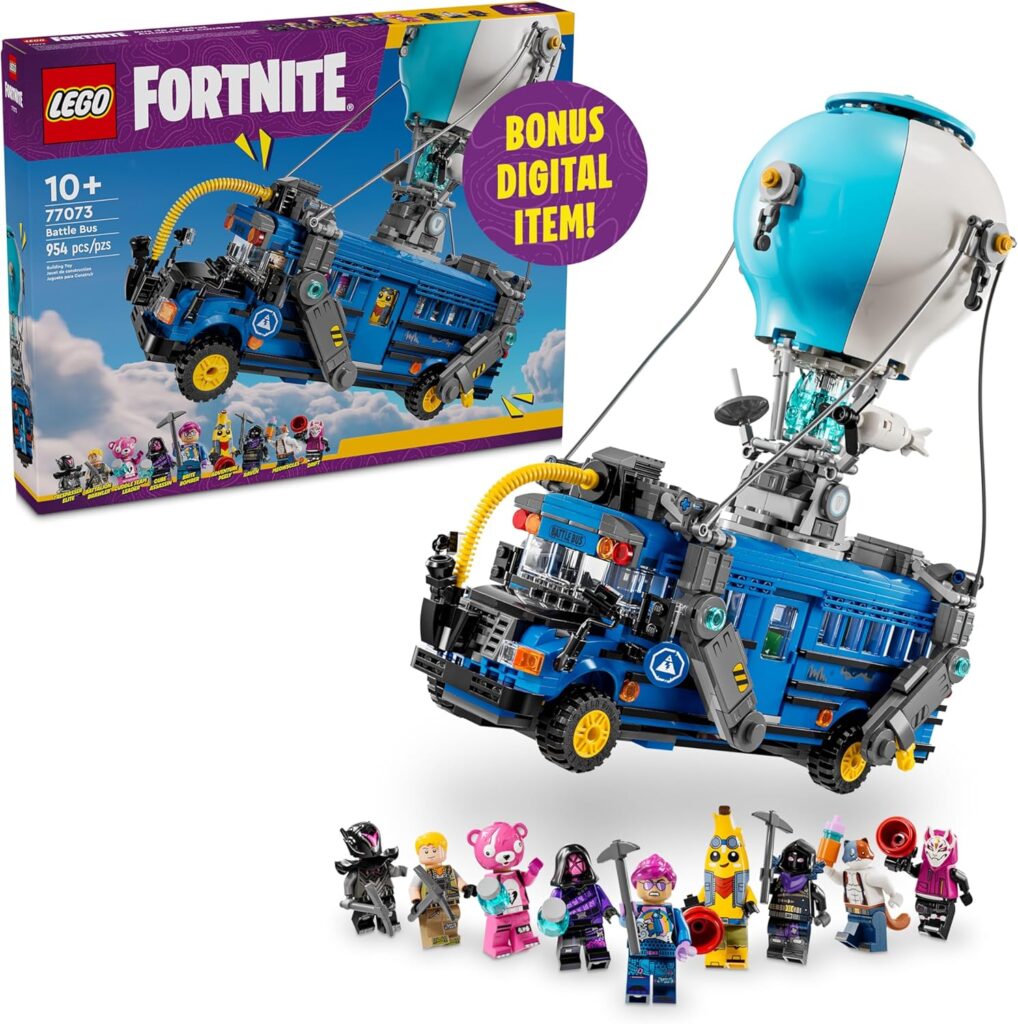
LEGO Fortnite Battle Bus Building Toy
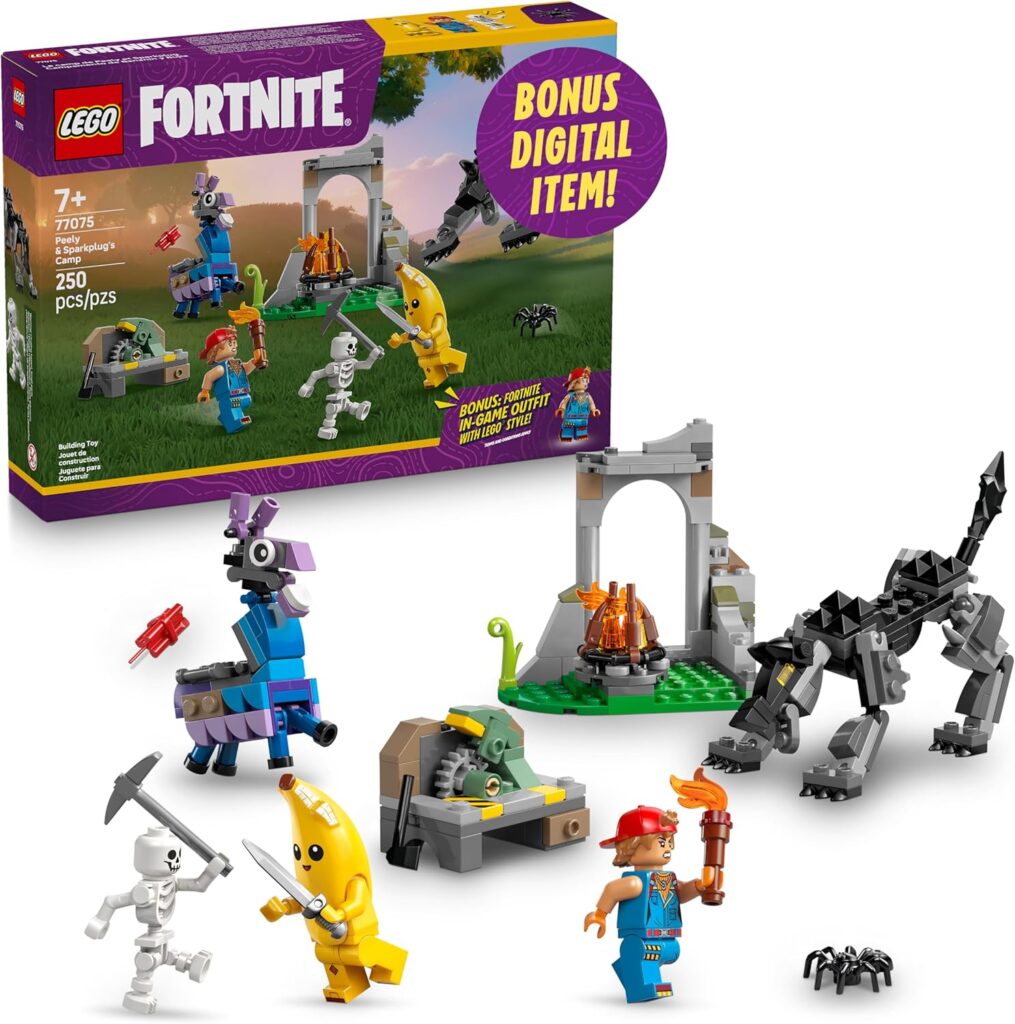
LEGO Fortnite Peely & Sparkplug’s Camp Kids Toy
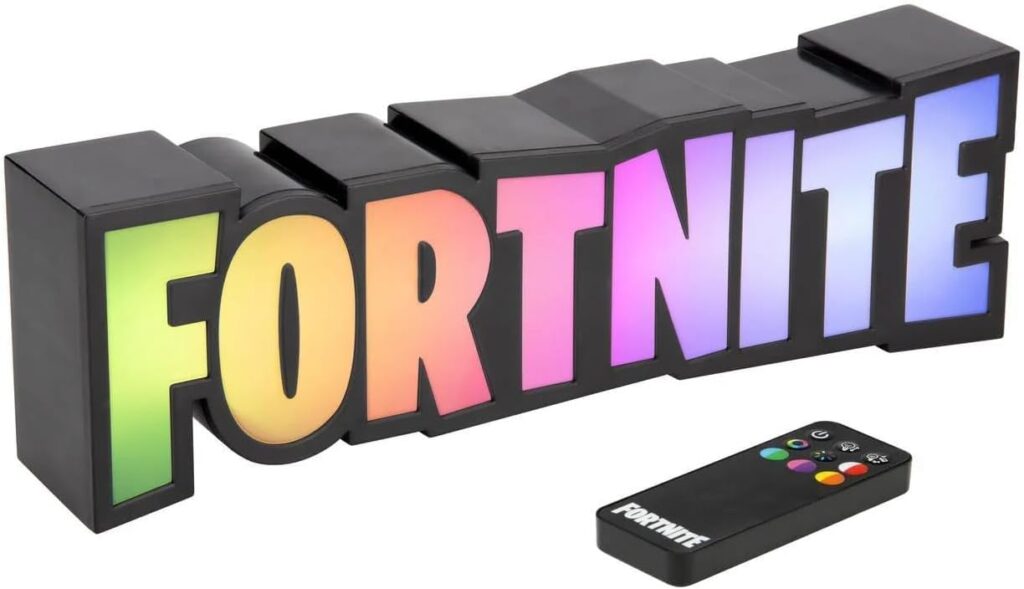
Fortnite RGB Color Changing Gaming Lamp
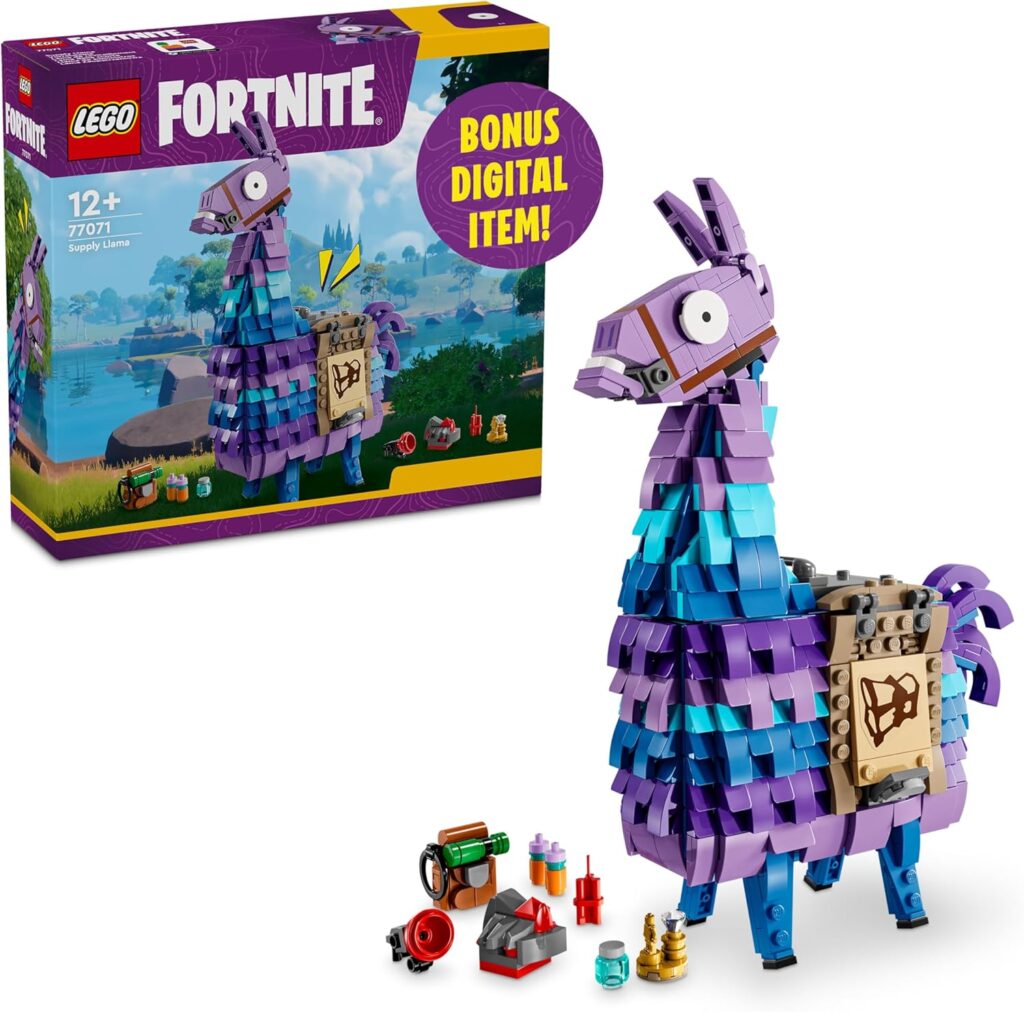
LEGO Fortnite Supply Llama Building Set
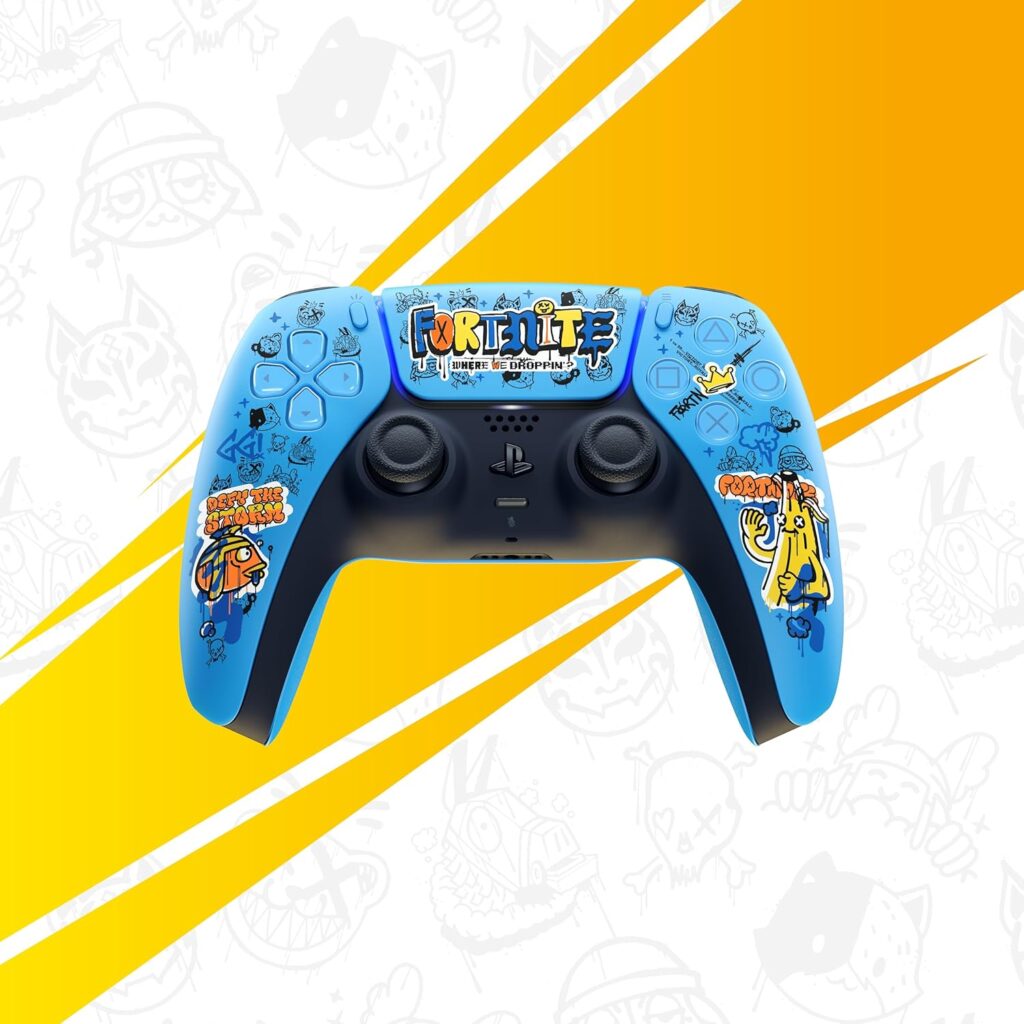
DualSense – Fortnite Limited Edition
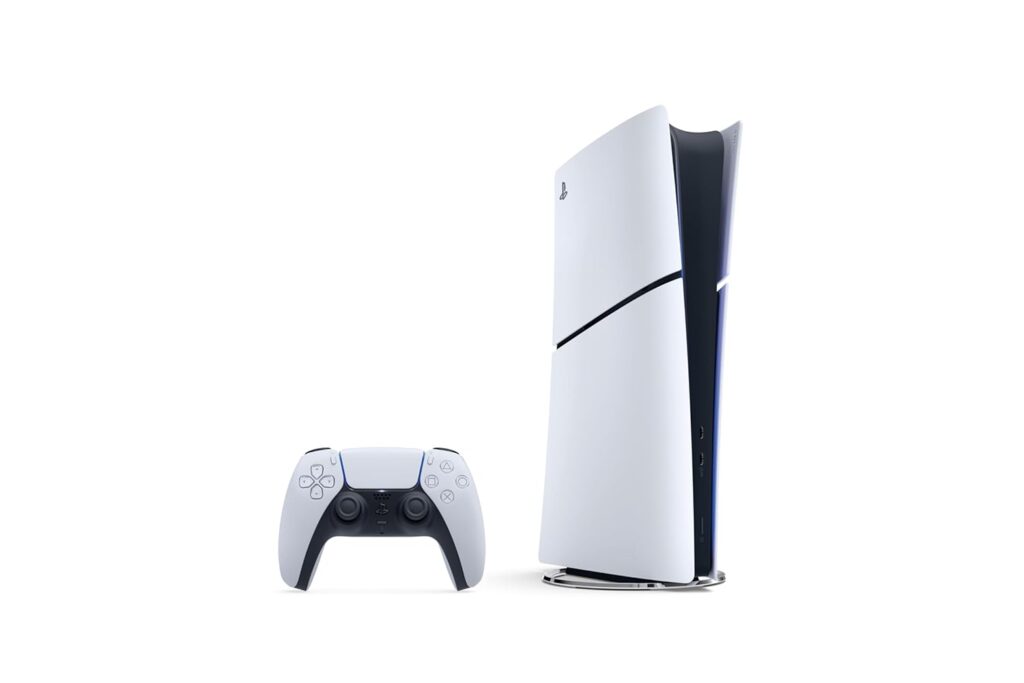
PlayStation®5 Digital Edition – 825GB
Epic is not choosing Google Play over its own store
This is where the geekier business angle gets interesting. Epic’s own announcement did not frame the return as surrender. It framed it as proof that Android is now opening up to “robust competition among mobile app stores,” and Epic said it will keep investing heavily in the Epic Games Store for Android while also bringing Fortnite back to Google Play worldwide. That wording matters. Epic is treating Play as one route, not the destination.
You can already see that in how Epic is pitching purchases. On Fortnite’s March 19 news post, the company pushed 20% back in Epic Rewards when players use Epic’s own payment system. Epic says that option is available on Google Play in the U.S. right now and that it is working to bring it to Google Play more broadly around the world. That means Epic is back on Google’s store while still trying to pull payment power toward itself. That is not retreat. That is leverage.
Also, Fortnite is only part of the plan. Reuters reported in January 2025 that Epic had already started expanding its mobile store with third-party games and that Tim Sweeney described the goal as building “a single cross-platform store.” Reuters also reported in late 2024 that Epic struck a deal with Telefónica to preinstall the Epic Games Store on compatible Android devices across markets including Spain, the UK, Germany, Mexico, and Spanish-speaking Latin America. Fortnite’s return to Play fits that strategy because mass reach and store independence are no longer opposites for Epic. They are parallel tracks.
Why the timing matters even more now
There is another layer here that makes the return feel smarter in 2026 than it would have in 2021. Google is moving ahead with developer verification for Android app distribution. Google says verification opened to all developers in March 2026, starts taking effect in September 2026 in Brazil, Indonesia, Singapore, and Thailand, and will expand globally after that. Google also says sideloading is not going away, but unverified apps will face extra friction, including an “advanced flow” for experienced users who still want to install them.
That changes the emotional value of being back on Google Play. Power users will still sideload. Hardcore Epic fans will still use the Epic Games Store app. But mainstream players usually do not want a lecture on platform openness before they play one match. They want the obvious button. As Android adds more identity checks and safety guardrails around off-store installs, the default storefront becomes even more important for reach, especially in markets like Brazil that are on the first wave of the verification rollout.
So yes, Google is becoming more open in one sense while also becoming more structured in another. That sounds contradictory, but it is actually the bigger mobile story. Android is evolving toward a system where alternative stores and payment methods are more legitimate, yet trust, registration, and safety matter more too. Fortnite being on Google Play again lets Epic benefit from both trends at once: openness for strategy, simplicity for scale.
What players should really take from this
For players, the immediate benefit is simple. Fortnite on Android is easier to access again, and the current mobile app still includes the wider Fortnite ecosystem, not just battle royale: Fortnite OG, LEGO Fortnite, Festival, developer-made games, and more. Epic also timed the return with a new Battle Royale season, which helps make the comeback feel like an event rather than an administrative footnote.
Still, the bigger takeaway is not about this week’s season or even this month’s install spike. It is that mobile gaming keeps inching toward a more PC-like model, where storefronts compete, payment systems loosen up, and giant live-service games try to own the customer relationship more directly. Fortnite is back on Google Play, but the real plot twist is that Epic came back without abandoning the argument it got banned for making in the first place. That is a much bigger industry shift than one restored app listing.
Read more posts from Nerd XP
Stay up-to-date on the latest news in the world of finance, geek culture, and skills.
- Central Banks Are Spelling Out a Multi-Asset Risk Map
 Most investors still talk about risk one shelf at a time. Stocks are risky. Bonds are defensive. Credit is someone else’s problem. Central banks are telling a different story now. Their latest warnings read less like isolated market commentary and… Leia mais: Central Banks Are Spelling Out a Multi-Asset Risk Map
 - Xbox and Gears Still Have Real Momentum
 For all the talk that Xbox has become too scattered, too platform-agnostic, or too far removed from the old console-war script, today tells a different story. Microsoft just announced that its June 7 Xbox Games Showcase will be followed immediately… Leia mais: Xbox and Gears Still Have Real Momentum
 - TikTok Wants to Be a Lender, Not Just a Platform
 For years, the TikTok story was simple: attention first, ads second, shopping maybe third. That model is changing fast. Reuters reported on March 31 that TikTok is seeking approval from Brazil’s central bank for two licenses that would let it… Leia mais: TikTok Wants to Be a Lender, Not Just a Platform
 - Portfolio Careers Beat the Side-Hustle Fantasy
 For years, people were sold a very specific dream. Start a side hustle. Work nights for a while. Then escape your job, replace your income, and finally control your life. That dream still sounds good. However, real life keeps exposing… Leia mais: Portfolio Careers Beat the Side-Hustle Fantasy
 - Why McCormick and Unilever Put Flavor on Wall Street
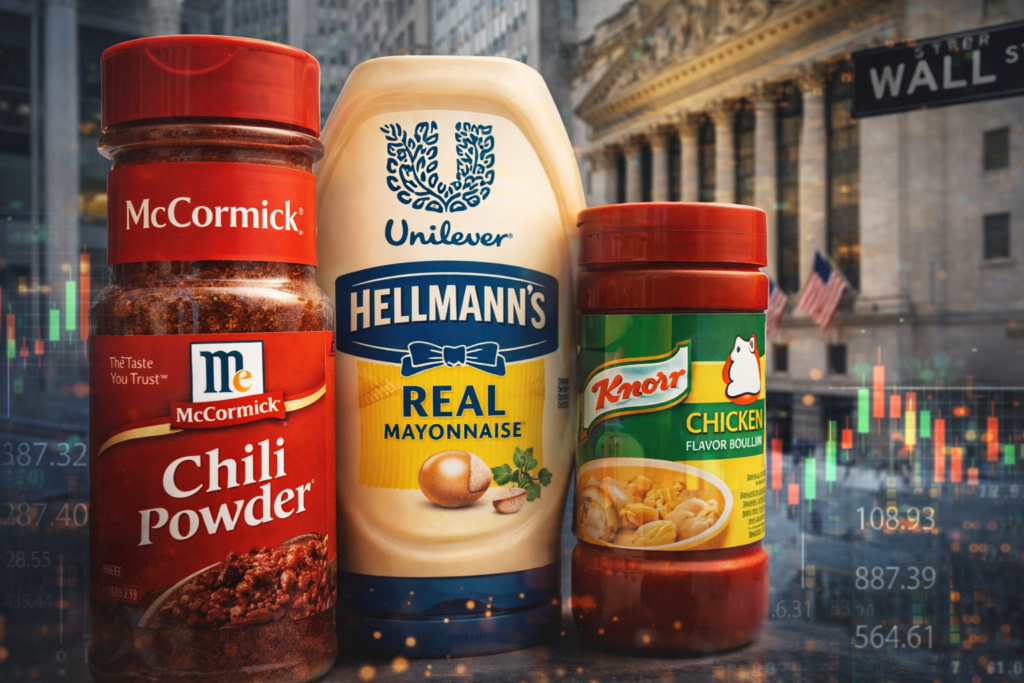 A spice rack is not supposed to feel like a market-moving asset. Yet on March 31, 2026, McCormick and Unilever made flavor a real Wall Street conversation. Their deal to combine Unilever’s foods business with McCormick was valued at about… Leia mais: Why McCormick and Unilever Put Flavor on Wall Street
 - Private Credit Stress Is Getting Visible
 For a long time, private credit’s biggest danger was that you could not see it clearly. That was the trade. Investors got higher yields, smoother marks, and less daily market noise. In return, they accepted opaque portfolios, illiquid structures, and… Leia mais: Private Credit Stress Is Getting Visible
The takeaway
If you only look at the store page, this feels like a return story. If you look at the platform politics underneath it, this is really a power story. Epic spent years trying to prove that mobile storefronts should work less like toll booths and more like competitive ecosystems. Fortnite’s Google Play comeback suggests that, at least on Android, that argument finally bent the platform. And that matters a lot more than one game being easier to download again.
NoobMaster
Easter Egg: Epic used Fortnite’s Google Play return post to promote 20% back in Epic Rewards when players use Epic’s own payment system, which is a very on-brand reminder that the payment war never really ended.
Recommendation: Rocket League Sideswipe — because it is one of the clearest examples of a game that actually feels designed for mobile instead of merely squeezed onto it.