
Wall Street loves a good excuse to breathe.
Right now, that excuse is hope that the Middle East conflict stops getting worse. On March 25, U.S. stocks jumped as oil fell nearly 4% after reports that Washington had floated a ceasefire proposal to Iran. By mid-morning, the Dow was up 1.23%, the S&P 500 1.16%, and the Nasdaq 1.47%. That sounds like relief because it is relief. But it is also mostly a hope trade. Reuters reported that Tehran publicly denied negotiations with the Trump administration even as markets cheered the possibility of de-escalation.
That distinction matters. A relief rally built on confirmed progress is one thing. A relief rally built on “maybe the worst case will not happen” is something much flimsier. The market is not celebrating a solved problem. It is celebrating the idea that oil might stop rising, inflation might not get worse, and the Fed might not have to turn even tougher. That is a very different kind of bullishness.
What the market is actually cheering
The first layer is simple: lower oil means less immediate pain.
That is why stocks bounced so hard. Earlier this week, Wall Street sold off when crude surged more than 4% and Treasury yields climbed, with the S&P 500 falling 0.37% and the Nasdaq dropping 0.84% on March 24. Traders were reacting to the idea that an oil shock could revive inflation and kill off already-thin rate-cut hopes. Then oil reversed sharply on ceasefire talk, and the same market that had been panicking about energy inflation suddenly decided to price in relief instead.
That is why the current rally looks so emotional. The market is not suddenly getting better earnings data, better productivity data, or better business activity data. It is mostly getting a temporary break in the oil tape. The message is, “If crude cools down, maybe everything else gets less scary.” That may be true. It is also a narrow foundation for a rally that has to carry a lot of macro baggage.
The trouble is that the macro backdrop still looks rough
If this were only about geopolitics, the rally would be easier to trust.
It is not. Reuters reported on March 24 that U.S. private-sector output fell to its lowest level in 11 months in the latest PMI data. The same Reuters market analysis noted that euro zone activity hit a 10-month low and U.K. activity slowed to its weakest expansion in six months. That is not a backdrop that screams broad-based economic acceleration. It looks more like an economy already losing momentum before the latest energy scare fully hits.
The inflation side also just got uglier. On March 25, Reuters reported that U.S. import prices rose 1.3% in February, the biggest monthly increase since March 2022, far above the 0.5% economists expected. Core import prices excluding fuels and food rose 1.2%, while prices for imported capital goods posted their biggest increase since the government began tracking that series in 1988. Reuters said the report points to inflation accelerating in the months ahead, with war-related energy costs and earlier dollar weakness both feeding through.
That is why today’s bounce feels so conditional. Stocks are rallying because oil went down, but imported inflation just sent a fresh warning in the opposite direction. A market can live with one bad data point. It gets harder to stay relaxed when weakening activity and hotter imported costs show up at the same time.
The Fed is not giving this rally much help
This is the other reason the move looks hope-driven.
The Federal Reserve already told investors last week that inflation remains “somewhat elevated,” that uncertainty around the outlook remains elevated, and that the Middle East adds another layer of economic risk. The Committee held rates at 3.5% to 3.75% and said it would carefully assess incoming data, the evolving outlook, and the balance of risks before making further moves. That is not the language of a central bank preparing to rescue markets quickly.
Fed Governor Michael Barr made the same point even more directly on March 24. Reuters reported that Barr said rates may need to stay steady “for some time” and that he wants evidence that goods and services inflation is sustainably retreating before supporting further cuts. He also warned that higher oil prices could flow into gasoline and other consumer costs. In other words, the Fed is still looking at inflation first, not at the stock market’s wish list.
That is why today’s rally has a ceiling. If the whole move depends on a softer oil path restoring confidence in future rate cuts, then every new inflation print and every new headline from the Middle East matters more than usual. The market is rallying because it wants the Fed problem to get smaller. The Fed is telling markets that problem is not small yet.
Read more posts from Nerd XP
Stay up-to-date on the latest news in the world of finance, geek culture, and skills.
- Central Banks Are Spelling Out a Multi-Asset Risk Map
 Most investors still talk about risk one shelf at a time. Stocks are risky. Bonds are defensive. Credit is someone else’s problem. Central banks are telling a different story now. Their latest warnings read less like isolated market commentary and… Leia mais: Central Banks Are Spelling Out a Multi-Asset Risk Map
 - Xbox and Gears Still Have Real Momentum
 For all the talk that Xbox has become too scattered, too platform-agnostic, or too far removed from the old console-war script, today tells a different story. Microsoft just announced that its June 7 Xbox Games Showcase will be followed immediately… Leia mais: Xbox and Gears Still Have Real Momentum
 - TikTok Wants to Be a Lender, Not Just a Platform
 For years, the TikTok story was simple: attention first, ads second, shopping maybe third. That model is changing fast. Reuters reported on March 31 that TikTok is seeking approval from Brazil’s central bank for two licenses that would let it… Leia mais: TikTok Wants to Be a Lender, Not Just a Platform
 - Portfolio Careers Beat the Side-Hustle Fantasy
 For years, people were sold a very specific dream. Start a side hustle. Work nights for a while. Then escape your job, replace your income, and finally control your life. That dream still sounds good. However, real life keeps exposing… Leia mais: Portfolio Careers Beat the Side-Hustle Fantasy
 - Why McCormick and Unilever Put Flavor on Wall Street
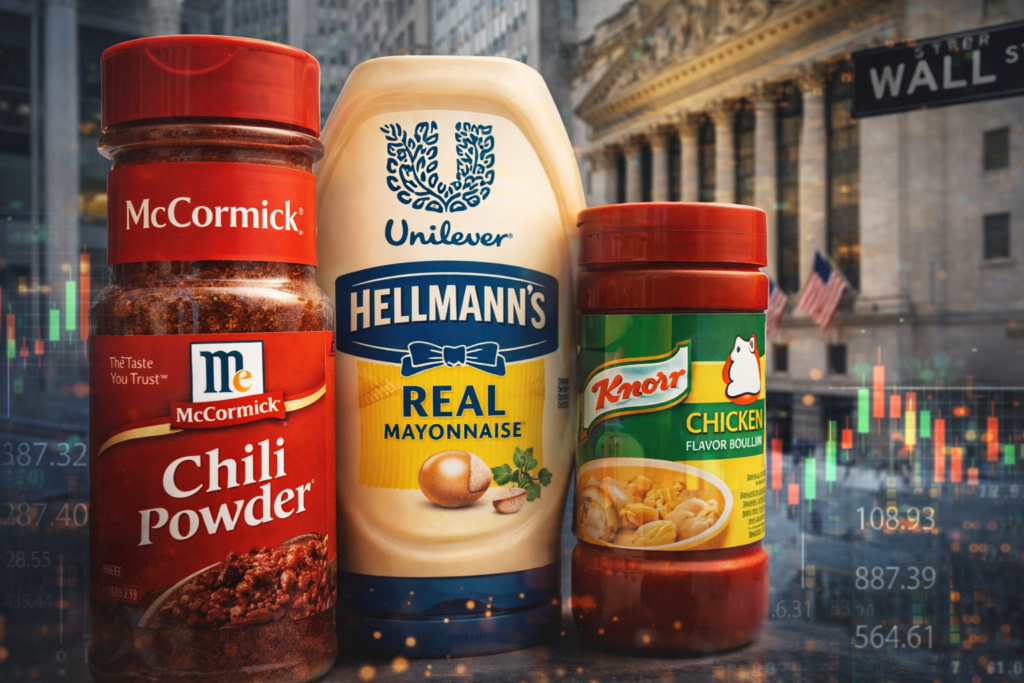 A spice rack is not supposed to feel like a market-moving asset. Yet on March 31, 2026, McCormick and Unilever made flavor a real Wall Street conversation. Their deal to combine Unilever’s foods business with McCormick was valued at about… Leia mais: Why McCormick and Unilever Put Flavor on Wall Street
 - Private Credit Stress Is Getting Visible
 For a long time, private credit’s biggest danger was that you could not see it clearly. That was the trade. Investors got higher yields, smoother marks, and less daily market noise. In return, they accepted opaque portfolios, illiquid structures, and… Leia mais: Private Credit Stress Is Getting Visible
Even the rates panic may be overshooting, but that does not make stocks safe
There is an important nuance here.
Reuters columnist Jamie McGeever argued on March 25 that rates markets may have overshot in response to the energy shock. He noted that traders have swung dramatically toward pricing higher rates, even though similar oil spikes in the past sometimes hurt growth more than they sustained inflation. He also pointed out that Goldman Sachs and Citi are still sticking with U.S. rate-cut forecasts, arguing that any inflation burst may be brief while the hit to demand could last longer.
That is a useful counterpoint, but it is not really a clean bull case for stocks. It just means the market may be exaggerating the odds of a prolonged hawkish shock. Even if that is true, equities still have to deal with weaker growth, higher input costs, and a Fed that is explicitly not ready to declare victory on inflation. A rally can survive on “maybe rates won’t get as bad as feared” for a little while. It is harder to build a durable advance on that alone.
This is why the rally feels more like positioning than conviction
Real conviction rallies usually have a wider base.
They tend to come with better growth data, cleaner earnings revisions, clearer policy help, or some combination of all three. This one looks more like a market that got overly defensive, saw oil finally back off, and rushed to cover the most obvious near-term fear. That can produce a sharp move. It does not necessarily produce a durable one. Reuters’ March 24 market report captured that whiplash well: Wall Street had already swung between fear and optimism several times in 48 hours, depending on whether the latest headline implied more troops, more oil disruption, or more diplomacy.
You can also see the fragility in sector behavior. On the down day, energy stocks led the market while tech and communication services lagged. On the rebound, semiconductors, travel, and consumer discretionary names jumped as investors leaned back into the “less inflation, lower oil, better sentiment” trade. That is not the behavior of a market with a settled macro view. It is the behavior of a market flipping between two scenarios as fast as the headlines arrive.
What investors should actually take from this
The useful takeaway is not that the rally is fake.
The useful takeaway is that the rally is fragile.
There is a real reason for stocks to bounce when crude falls and the odds of a wider regional war look slightly less severe. Markets are allowed to price relief. But the underlying economic setup still looks uncomfortable: private-sector growth is slowing, import prices are jumping, inflation is still above target, and the Fed is not eager to ease. That means the market is rallying on the possibility that the next problem will be smaller, not on proof that the old problems are gone.
That distinction matters for portfolio behavior. A hope rally can go further than people expect, especially if positioning was defensive and oil keeps falling. Still, it usually demands more caution than a fundamentals rally. When the move depends on diplomacy headlines, investors should assume reversals can come just as fast as the bounce did. That is especially true when the market still has no clean answer to inflation, rates, or slowing activity.
The bottom line
Wall Street’s relief rally is running on hope because hope is the main thing that changed.
Oil dropped sharply on ceasefire talk. Stocks bounced. Yields eased a bit. But the underlying macro tape still says growth is softer, imported inflation is hotter, and the Fed remains cautious. Reuters’ reporting across the last two days makes that contrast pretty clear: the market is rallying on the chance that one major risk may fade, even though the broader economic picture has not really improved yet.
That does not mean the rally has to fail immediately. It means investors should read it honestly. This is not a clean all-clear. It is a hope bid in a market that still wants a better story than the data is giving it.
HypeBucks
XP of the Day: A 1% market bounce built mostly on falling oil can disappear fast if the next inflation or war headline goes the wrong way.
Next Move: Look at your portfolio today and mark which holdings need lower oil, lower yields, or easier Fed policy to keep working.