
For years, the console war was easy to picture. Three boxes. Three price tags. Three companies trying to win your living room. That version of the fight still exists, but it is no longer the main event. In 2026, the real battle is about something less visible and more important: where your library lives, how your purchases travel, which storefront controls your spending, and how many screens a platform can reach before you even think about buying another box. The hardware still matters. The center of gravity has shifted.
Microsoft is the clearest proof. At GDC on March 11, Xbox said its next console, Project Helix, is being designed to play both Xbox console and PC games. The company also said Xbox mode will start rolling out to Windows in select markets in April, and that Xbox Play Anywhere now spans more than 1,500 games. Then it said the quiet part out loud: players should be able to play Xbox games across devices through purchases, subscriptions like Game Pass, or “other leading storefronts.” That is not classic console-war language. That is ecosystem language.
Xbox stopped acting like a box-first business
The old logic of platform competition was simple: keep the best games inside your machine and make the machine feel essential. Xbox still makes consoles, and Project Helix proves it is not walking away from hardware. However, the company’s own strategy now treats the console as one access point inside a larger network. Project Helix is being pitched as a next-generation console, but also as a device built to collapse the gap between Xbox and PC. Meanwhile, Xbox mode on Windows is explicitly about making the PC feel more like an Xbox without sacrificing Windows openness.
That shift looks even bigger when you line it up with Microsoft’s publishing decisions. Xbox’s January 2026 Developer_Direct confirmed that Fable is coming to Xbox Series X|S, Xbox on PC, Xbox Cloud, Steam, PlayStation 5, and Game Pass Ultimate. The same event said Forza Horizon 6 will launch across Xbox, PC, cloud, Steam, and Game Pass, with a PS5 release later in 2026. In older console-war terms, that would sound like surrender. In current Xbox terms, it looks more like the company prioritizing software reach, account retention, and recurring service value over guarding one plastic box at all costs.
Cloud makes that logic even more obvious. Xbox has pushed its app onto LG smart TVs and, more recently, said it is bringing cloud gaming to select Hisense and V homeOS-powered TVs. The company’s own language says the goal is to make your games, community, and achievements “always within reach.” That sentence matters because it reframes the battleground. The question is no longer “Did Xbox sell you a console?” It is “Did Xbox keep you inside Xbox?” Those are not the same war.
Recommended by Nerd XP
This content may contain affiliate links. If you purchase through them, Nerd XP may receive a commission at no extra cost to you.
I’ve selected 3 items that can truly help you level up your XP, focusing on usefulness, cost-effectiveness, and real-world user experience.
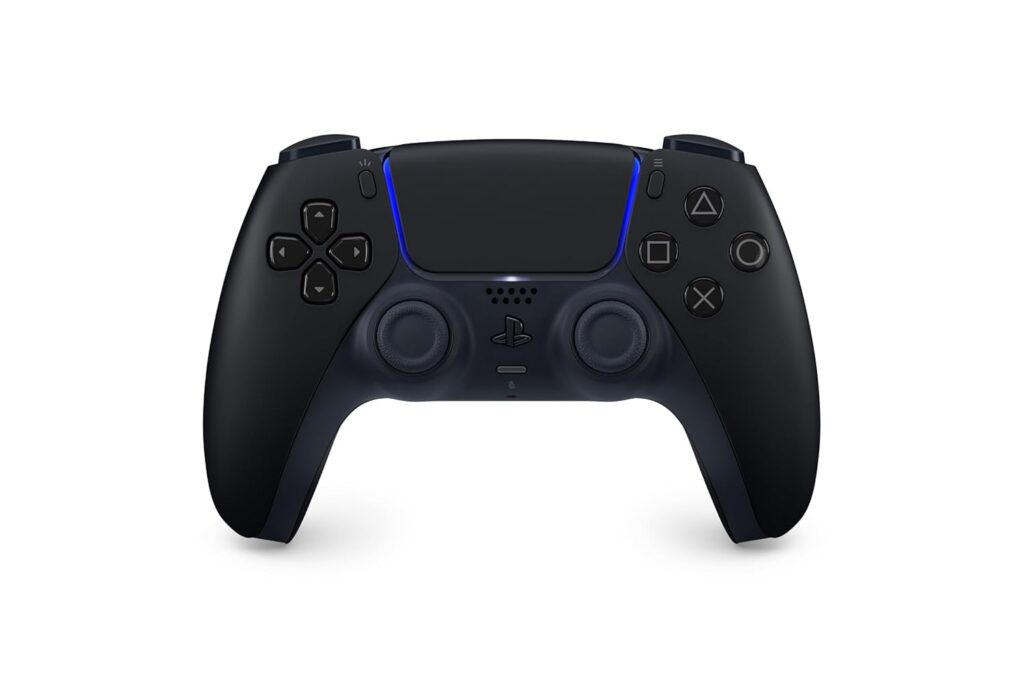
PlayStation DualSense™ Wireless Controller
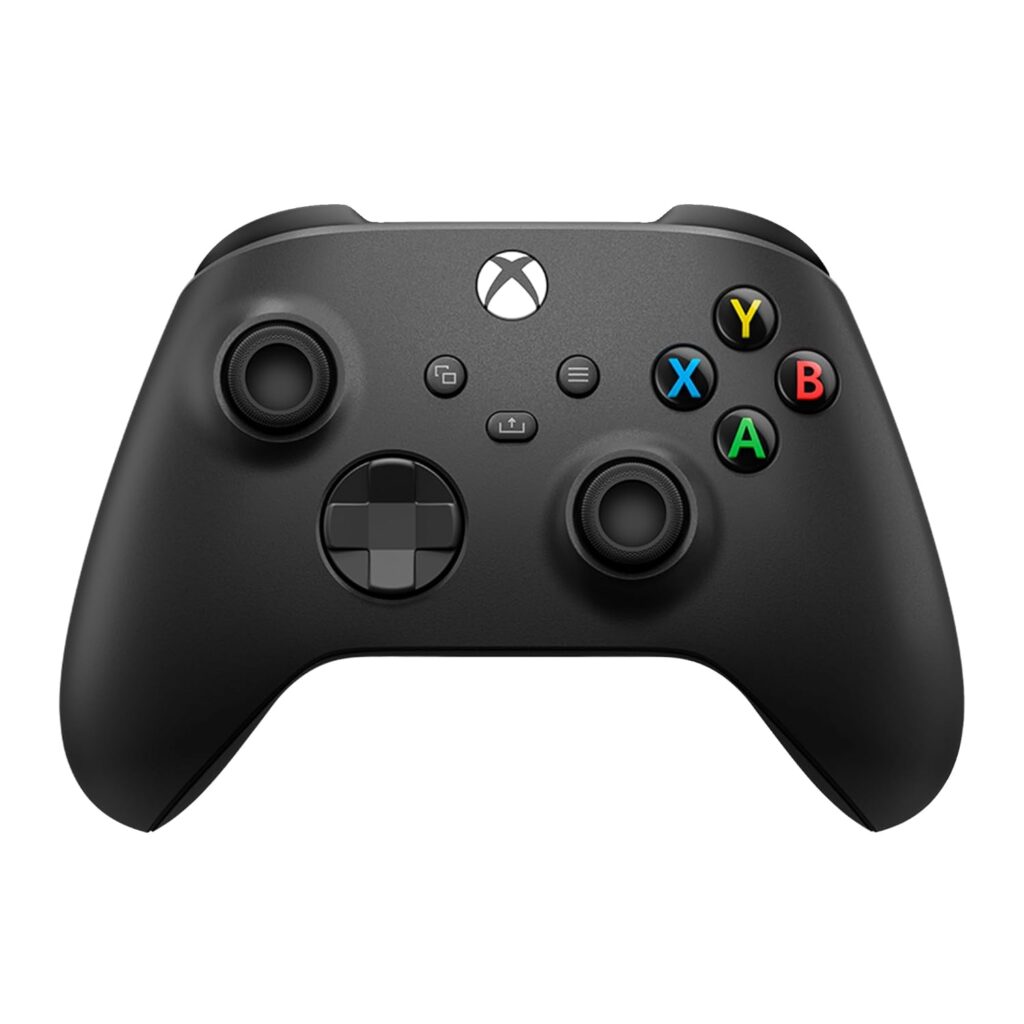
Xbox Wireless Gaming Controller
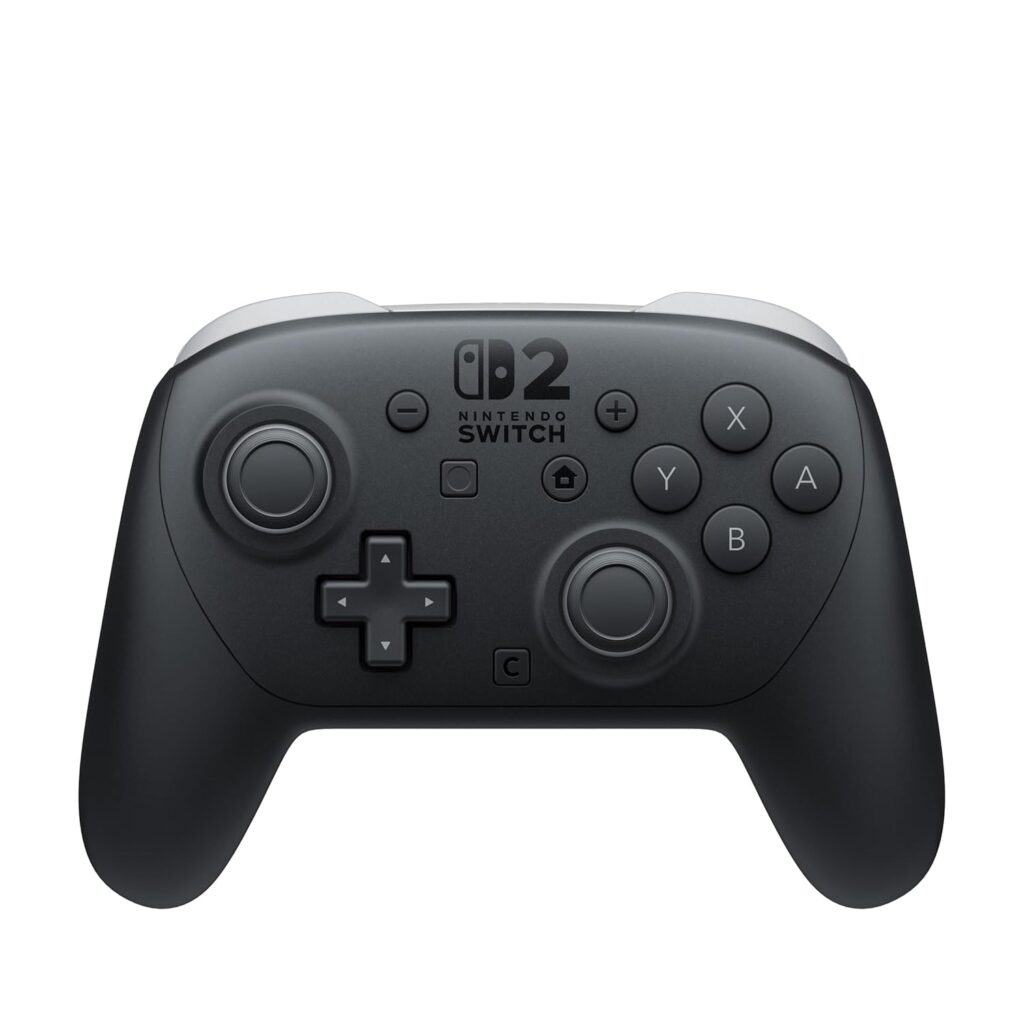
Nintendo Switch™ 2 Pro Controller
PlayStation is defending the platform, not just the PS5
Sony’s side of the story is different, but it leads to the same conclusion. PlayStation still looks the most traditionally console-minded of the big three, yet even Sony’s own reporting shows that the company increasingly thinks in platform terms. In Sony’s 2025 Corporate Report, the company said PlayStation’s platform business now accounts for more than two-thirds of total sales in the Game & Network Services segment and is being driven by record monthly active users, engagement, monetization, PlayStation Store reach, and higher-tier PlayStation Plus adoption. That is not a hardware-only success story. It is a services-and-storefront success story wearing a hardware badge.
Sony’s broader corporate strategy makes that even clearer. In its 2025 strategy presentation, Sony said it is closely collaborating with PlayStation Network, which has the largest monthly active user base in the Sony Group, to help grow Crunchyroll. It also said it wants to use the robust network infrastructure of PSN for core backend functions like payment and data. That is a fascinating tell. PlayStation is not just a console brand inside Sony anymore. It is an audience funnel, an account system, and a payments backbone for the company’s wider entertainment ambitions.
Then there is the uglier evidence: distribution fights. Sony is currently fighting a £1.97 billion lawsuit in London over claims that its PlayStation Store structure inflated digital game prices by requiring digital games and add-ons for PlayStation consoles to be sold only through Sony’s storefront. Sony denies wrongdoing, but the existence of the case says a lot by itself. One of the biggest legal pressure points in modern console gaming is no longer whose hardware is faster. It is who controls the transaction after a player is already inside the ecosystem. That is exactly what a post-console-war battlefield looks like.
Nintendo turned “buying a game” into a format choice
Nintendo is approaching the same shift from the opposite direction. Historically, Nintendo has been the company most closely tied to hardware identity. A Nintendo console sells because Nintendo games live there. That is still true. Yet Switch 2 has quietly made ownership itself more complicated, which is another sign that the modern fight is moving beyond the machine.
On March 25, Nintendo said that beginning in May 2026, new Nintendo-published digital games exclusive to Switch 2 will have an MSRP that differs from their physical versions, starting with Yoshi and the Mysterious Book. Nintendo said the change reflects the different production and distribution costs of physical and digital formats. That may sound like a pricing footnote, but it changes the buying conversation. Format now affects value more directly than before. Nintendo is teaching players to think less in terms of “do I want the game?” and more in terms of “which version of ownership do I want?”
Switch 2 goes further than that. Nintendo says digital purchases can now function as virtual game cards, letting players move games between linked systems and even lend eligible titles to family-group members. At the same time, Nintendo’s support pages explain that some physical releases are actually game-key cards, which do not contain the full game data and instead act as a key that downloads the game to the system. So physical can now behave partly like digital, while digital is being redesigned to imitate some of physical’s flexibility. That is not just a neat UX trick. It is Nintendo re-architecting what ownership means on its platform.
That is why Switch 2 matters to this argument. Nintendo is still very much in the hardware business, but the company is no longer treating software purchases as a simple binary between cartridge and download. It is building a layered system of access, licenses, lending, and format-dependent pricing. In other words, Nintendo’s battlefield is shifting toward the design of ownership itself. That is a very modern war, even if it comes wrapped in Mario colors.
Read more posts from Nerd XP
Stay up-to-date on the latest news in the world of finance, geek culture, and skills.
- Central Banks Are Spelling Out a Multi-Asset Risk Map
 Most investors still talk about risk one shelf at a time. Stocks are risky. Bonds are defensive. Credit is someone else’s problem. Central banks are telling a different story now. Their latest warnings read less like isolated market commentary and… Leia mais: Central Banks Are Spelling Out a Multi-Asset Risk Map
 - Xbox and Gears Still Have Real Momentum
 For all the talk that Xbox has become too scattered, too platform-agnostic, or too far removed from the old console-war script, today tells a different story. Microsoft just announced that its June 7 Xbox Games Showcase will be followed immediately… Leia mais: Xbox and Gears Still Have Real Momentum
 - TikTok Wants to Be a Lender, Not Just a Platform
 For years, the TikTok story was simple: attention first, ads second, shopping maybe third. That model is changing fast. Reuters reported on March 31 that TikTok is seeking approval from Brazil’s central bank for two licenses that would let it… Leia mais: TikTok Wants to Be a Lender, Not Just a Platform
 - Portfolio Careers Beat the Side-Hustle Fantasy
 For years, people were sold a very specific dream. Start a side hustle. Work nights for a while. Then escape your job, replace your income, and finally control your life. That dream still sounds good. However, real life keeps exposing… Leia mais: Portfolio Careers Beat the Side-Hustle Fantasy
 - Why McCormick and Unilever Put Flavor on Wall Street
 A spice rack is not supposed to feel like a market-moving asset. Yet on March 31, 2026, McCormick and Unilever made flavor a real Wall Street conversation. Their deal to combine Unilever’s foods business with McCormick was valued at about… Leia mais: Why McCormick and Unilever Put Flavor on Wall Street
 - Private Credit Stress Is Getting Visible
 For a long time, private credit’s biggest danger was that you could not see it clearly. That was the trade. Investors got higher yields, smoother marks, and less daily market noise. In return, they accepted opaque portfolios, illiquid structures, and… Leia mais: Private Credit Stress Is Getting Visible
The new war is about who keeps you
This is the part that matters most for players. The old console war was about conversion: get someone to buy your box. The new one is about retention: keep their library, account, habits, subscriptions, and digital identity inside your world. Xbox is doing that by making Xbox travel across PC, handhelds, TVs, cloud, and even rival consoles. Sony is doing it by strengthening PlayStation as a high-engagement platform business tied to store revenue, subscriptions, and cross-entertainment synergies. Nintendo is doing it by redesigning how software is packaged, transferred, and priced on Switch 2.
So no, the console war is not dead. It just got harder to see. Hardware is still the mascot. Ecosystems are the real army. The companies still want you to buy their machines, sure. More importantly, they want your login, your game history, your recurring subscription, your digital library, your family sharing circle, and your habit of staying put. That is a much bigger prize than one console sale. And it is why the console war moved beyond the console long before most players fully noticed.
NoobMaster
Easter Egg: Xbox now says the Play Anywhere catalog spans more than 1,500 games, which makes the service sound less like a perk and more like the shape of the platform.
Recommendation: Steam Deck — because it is one of the clearest current examples of gaming moving toward account ecosystems and portable libraries instead of one fixed box under one TV.