
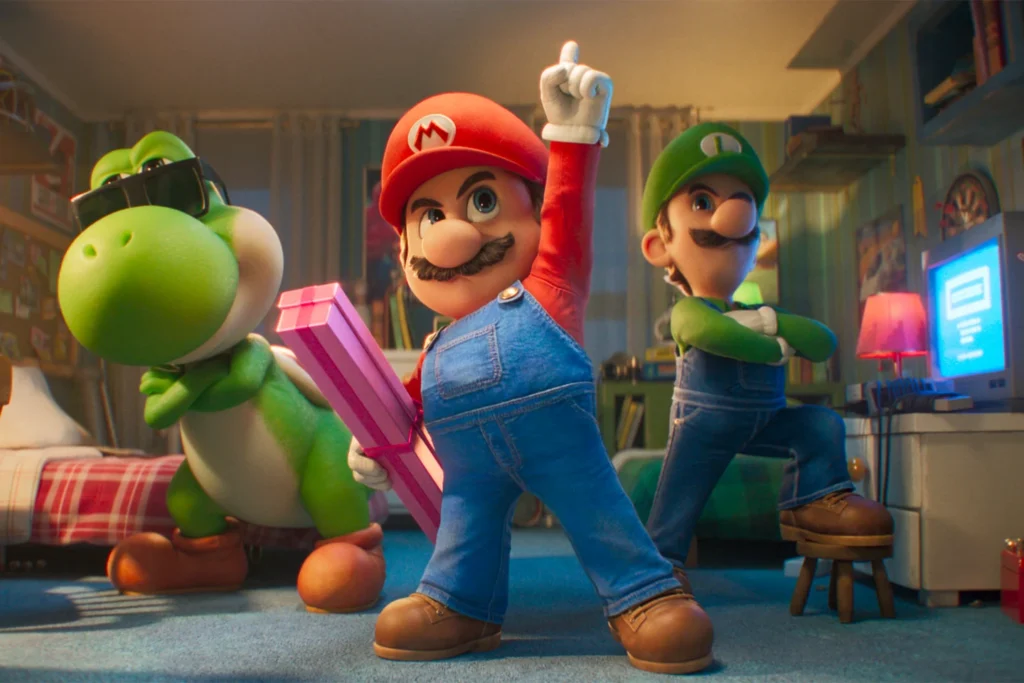
A week after The Super Mario Galaxy Movie opened on April 1, 2026, Super Mario Galaxy still feels like the biggest geek story because Nintendo has done something unusually effective with it: it turned one branch of Mario into a full-spectrum event. The movie just posted the biggest Hollywood debut of 2026 so far, Nintendo’s Super Mario Bros. 40th anniversary campaign is still feeding daily Galaxy content through the Nintendo Today! app, and the company is using the Galaxy double-pack as a visible Switch 2 showcase with a limited-time retail bundle starting April 12. That is not simple nostalgia. That is a franchise push with real momentum.
That is why “still” matters in this headline. On April 7, the story is no longer just that Mario had a big opening weekend. The bigger story is that Galaxy has become the clearest example of how Nintendo now thinks about fandom: one property stretched across film, app engagement, collectibles, retail offers, and upgraded play on newer hardware, all at the same time. When one Mario subseries is doing all of that in one week, it stops being a release and starts becoming the center of the conversation.
The movie made Galaxy too big to ignore
The most obvious reason Galaxy still owns the geek conversation is scale. AP reported that The Super Mario Galaxy Movie earned $372.5 million globally and $190.1 million domestically over five days, making it the biggest Hollywood debut of 2026 so far. Barron’s said the movie helped drive record Easter-weekend attendance for major theater chains, while Entertainment Weekly noted that the opening was also the biggest global debut of the year. That is not niche-fandom energy. That is mass-market force.
What makes that more interesting is the split between critics and audiences. AP described the film as a hit despite mixed reviews, while The Verge called it a visual knockout with a thin story. That gap actually strengthens the larger Galaxy argument. It suggests the Galaxy idea itself is now powerful enough to carry huge public enthusiasm even when the adaptation is not universally loved as a movie. In geek terms, that is a big sign of cultural weight. A property becomes truly durable when people show up for the world, the iconography, and the feeling of it, not just the review score.
There is also a symbolic layer here. Nintendo had many ways it could have framed Mario’s 40th year. Instead, it pushed the most cosmic, lore-friendly, Rosalina-heavy, Luma-filled corner of the brand into the spotlight. That is revealing because Galaxy has always been one of Mario’s most obviously “geek-coded” forms: more mythic, more emotionally wistful, more system-driven, and more fascinated with space, scale, and strange little worlds than the average Mario game. The movie’s success means that version of Mario is no longer just beloved by longtime fans. It is visibly market-shaping right now.
Read the latest posts from Geek XP
News, trivia, recommendations, and everything about the geek universe at Nerd XP.
- Xbox’s New Game Pass Wave Is Today’s Cleanest Topic
 Sometimes the best gaming story of the day is not the loudest one. It is… Leia mais: Xbox’s New Game Pass Wave Is Today’s Cleanest Topic
 - Super Mario Galaxy Is Still the Biggest Geek Story
 A week after The Super Mario Galaxy Movie opened on April 1, 2026, Super Mario… Leia mais: Super Mario Galaxy Is Still the Biggest Geek Story
 - Starfield on PS5 Is Today’s Big Platform Story
 As of April 6, 2026, the biggest platform story in gaming is not a rumor… Leia mais: Starfield on PS5 Is Today’s Big Platform Story
Nintendo did not let it stay just a movie
The second reason Galaxy is still the biggest geek story is that Nintendo built a daily engagement machine around it. In its MAR10 Day announcement, Nintendo tied this year’s celebration directly to both the 40th anniversary of Super Mario Bros. and The Super Mario Galaxy Movie. The company then used the Nintendo Today! app to distribute movie-based daily Collectible Cards, theater check-in rewards, wallpapers, and other extras. Official pages say fans can collect a new card each day until June 10, and Nintendo’s March wrap-up added a My Nintendo reward layer by offering 100 Platinum Points for collecting three movie-based cards during the promo period.
That is a smarter move than it may look at first glance. Nintendo is not just asking fans to watch a movie and move on. It is extending Galaxy into a habit. Open the app. Collect a card. Check in at the theater. Unlock a commemorative photo frame. Come back tomorrow. This is the kind of loop that makes a franchise feel alive day by day instead of merely “out now.” It also turns Galaxy into something bigger than one weekend’s box office story. Nintendo has effectively made it the centerpiece of an ongoing fandom ritual.
And that is why Galaxy still feels larger than the usual Mario moment. Lots of Nintendo releases are big. Fewer get treated like a whole seasonal ecosystem. The company is using Galaxy not just as content, but as connective tissue between the movie crowd, the collector crowd, and the app-engagement crowd. That is very modern platform thinking wrapped in very classic Nintendo colors.
Recommended by Nerd XP
This content may contain affiliate links. If you purchase through them, Nerd XP may receive a commission at no extra cost to you.
I’ve selected 3 items that can truly help you level up your XP, focusing on usefulness, cost-effectiveness, and real-world user experience.
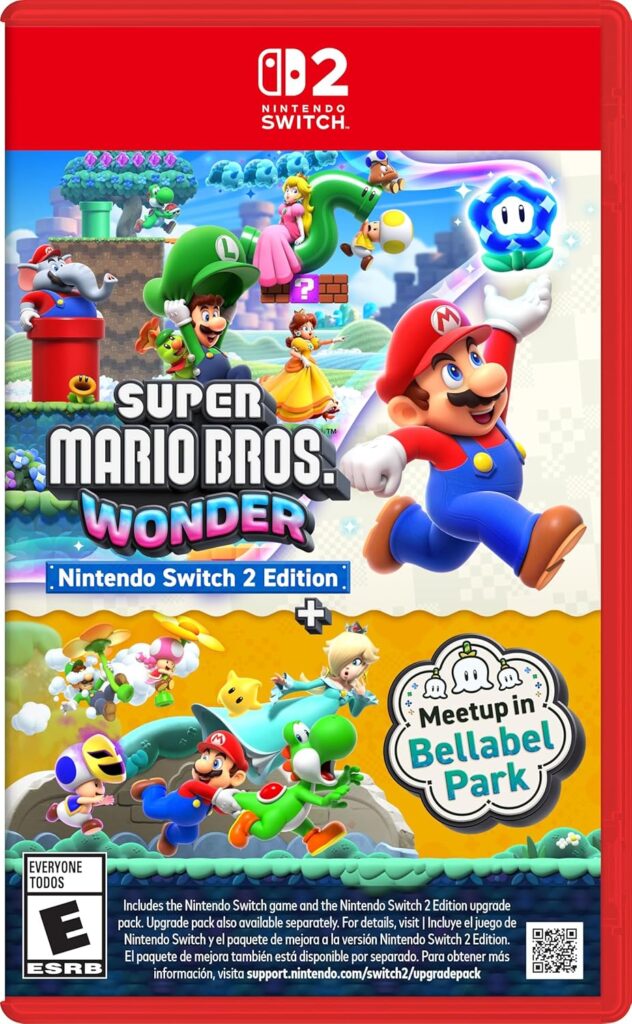
Super Mario Bros. Wonder Nintendo Switch™ 2
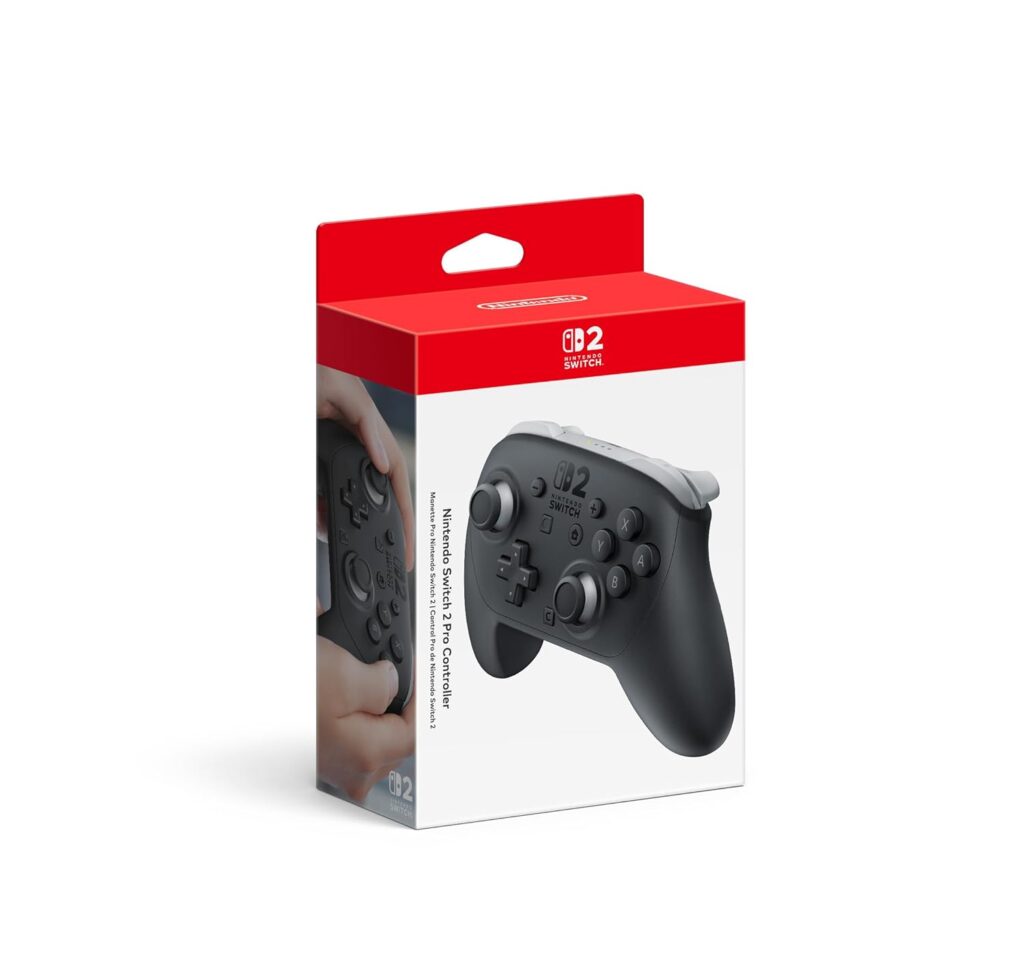
Nintendo Switch™ 2 Pro Controller
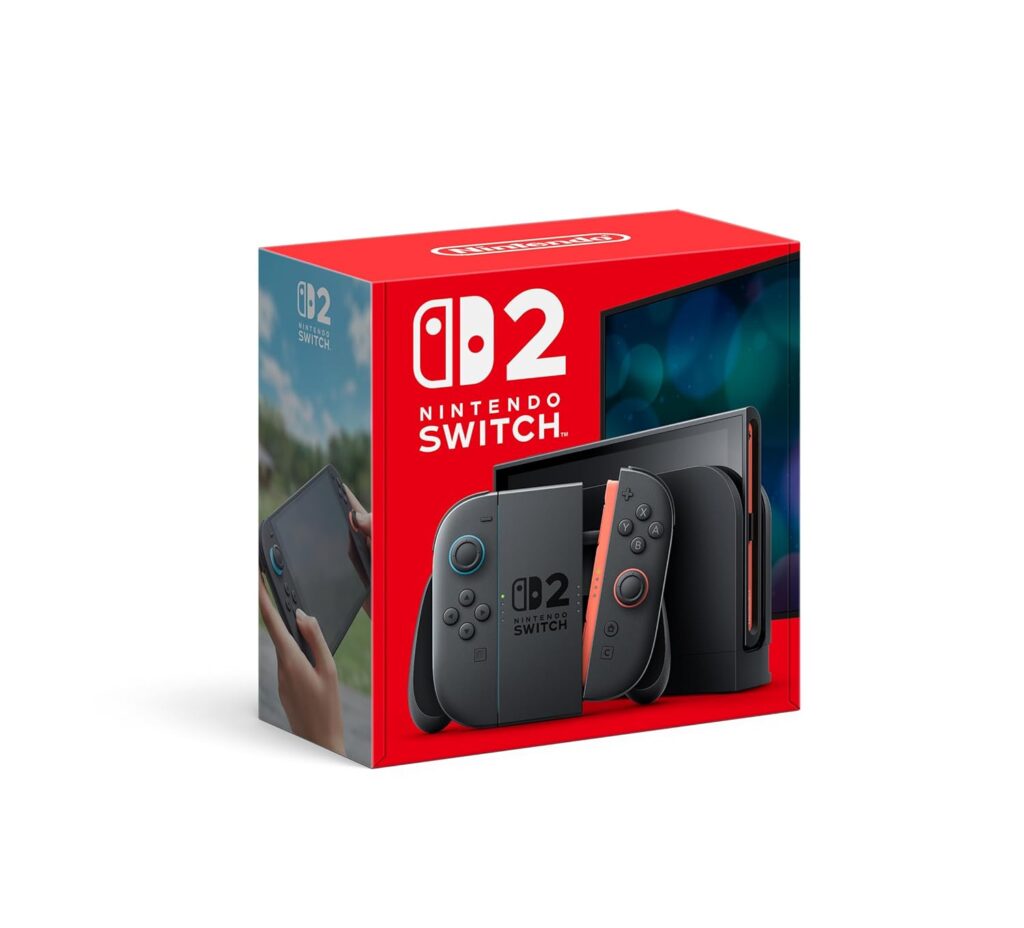
Nintendo Switch 2
Galaxy is also carrying Switch 2 energy
The other big reason the story has not cooled is that Nintendo is using Galaxy to help sell the future, not just celebrate the past. Nintendo’s latest official offer says that from April 12 to May 9, players can buy a Nintendo Switch 2 alongside Super Mario Galaxy + Super Mario Galaxy 2 and save $20 at participating retailers. The same page says the games receive a free Switch 2 update and highlights 4K resolution, Joy-Con 2 mouse controls, enhanced resolution, improved UI, extra Storybook chapters, and a new Assist Mode.
That matters because Nintendo is not treating Galaxy like a dusty legacy text. It is treating it like a showcase piece. The company’s free-update page says the double-pack is optimized for the Switch 2 display and high-resolution TVs, and the retail push frames the games as something you can “launch right into” on the new system. In other words, Galaxy is not merely being preserved. It is being positioned as one of the most attractive bridges between old Nintendo magic and new Nintendo hardware.
Nintendo is even reinforcing that identity through collectibles. The official game page says the Mario & Luma and Rosalina & Lumas amiibo figures became available on April 2, 2026, and the My Nintendo Store is also selling a 40th Anniversary pin set that explicitly celebrates the Galaxy games. That is another clue about what Nintendo thinks is resonating. It is not just selling Mario in general. It is selling Galaxy specifically as the premium, aesthetically distinctive, emotionally loaded version of Mario that fans want to hold onto.
Read the latest posts from Nerd XP
Stay up-to-date on the latest news in the world of finance, geek culture, and skills.
- BlackRock vs. QQQ Is a Smart Retail-Investing Story
 Most ETF stories are boring on purpose. A firm files a fund, the market shrugs,… Leia mais: BlackRock vs. QQQ Is a Smart Retail-Investing Story
 - Xbox’s New Game Pass Wave Is Today’s Cleanest TopicSometimes the best gaming story of the day is not the loudest one. It is… Leia mais: Xbox’s New Game Pass Wave Is Today’s Cleanest Topic
- The Oil Shock Is Hitting Flights and Travel Costs Now
 For a while, the oil shock looked like a macro problem that travelers would feel… Leia mais: The Oil Shock Is Hitting Flights and Travel Costs Now
 - The Resume Is Losing Ground to Show-Your-Work Hiring
 A lot of job seekers are starting to feel the same thing: the resume still… Leia mais: The Resume Is Losing Ground to Show-Your-Work Hiring
 - Private Credit Just Took a Fresh Ratings Hit
 Private credit just took a fresh ratings hit, and this one matters because it lands… Leia mais: Private Credit Just Took a Fresh Ratings Hit
 - Super Mario Galaxy Is Still the Biggest Geek StoryA week after The Super Mario Galaxy Movie opened on April 1, 2026, Super Mario… Leia mais: Super Mario Galaxy Is Still the Biggest Geek Story
Why Galaxy, specifically, keeps winning the geek argument
This is the part that makes the whole thing more than a marketing success. Super Mario Galaxy still wins the geek argument because it remains the Mario text with the most obvious imaginative stretch. It is the one with Rosalina’s storybook, tiny planets, gravity tricks, orchestral grandeur, and a faint melancholy that normal Mario rarely allows itself to show. Nintendo seems to understand that clearly. The current bundle does not just preserve the platforming. It foregrounds the parts fans obsess over: the Storybook, the feel, the space-opera mood, the weird beauty of it all.
That is why the story still feels bigger than box office math. Galaxy is operating as a proof point. It shows that the most “geek” version of Mario can also be the most expandable one: good for movies, good for app engagement, good for collectibles, good for hardware updates, and good for rekindling older fan attachment without feeling trapped in pure retro mode. On April 7, 2026, that is a stronger cultural position than most game franchises get to enjoy.
So yes, Super Mario Galaxy is still the biggest geek story. Not because it is the only thing happening, and not because the movie is perfect. It is the biggest story because Nintendo managed to align audience excitement, anniversary symbolism, daily fandom behavior, and Switch 2 positioning around one specific corner of Mario. That is rare. More importantly, it confirms something fans have suspected for years: when Nintendo wants Mario to feel biggest, strangest, and most magical, it still reaches for Galaxy.
NoobMaster
Easter Egg: Nintendo’s official Galaxy card promotion says that once you collect all 40 movie-based cards in Nintendo Today!, the full set transforms into Gold Cards with extra content.
Recommendation: Outer Wilds — because it chases the same rare feeling Galaxy nails so well: space as wonder, not emptiness.