

Most ETF stories are boring on purpose. A firm files a fund, the market shrugs, and life goes on. This one is different. BlackRock’s filing for the iShares Nasdaq-100 ETF, ticker IQQ, is a smart retail-investing story because it turns a giant Wall Street product fight into a simple question ordinary investors actually need to answer: when two funds give you nearly the same exposure, what are you really paying for? Reuters reported on April 6 that BlackRock filed with the SEC to launch IQQ, a fund that would track the Nasdaq-100 and directly challenge Invesco’s giant QQQ franchise. Reuters said QQQ has about $376 billion in assets under management and remains one of the most traded ETFs in the United States.
That matters because QQQ is more than an ETF. It is a retail habit. It is one of the first tickers many investors learn, one of the easiest ways to express a “big tech plus growth” view, and one of the clearest examples of how a product can become a brand. Invesco says QQQ launched on March 10, 1999, carries a 0.18% expense ratio, and is the second-most traded ETF in the U.S. by average daily volume as of December 31, 2025. Those facts explain why BlackRock’s move is not just about market share. It is about attacking one of the strongest default choices in retail investing.
The smart part for everyday investors is this: the story forces people to think about what they are buying when they buy an ETF. Are they buying the index? The cheapest wrapper? The most liquid wrapper? The most familiar ticker? Those are not always the same thing.
Why this is a retail story, not just an ETF-industry story
At first glance, the headline looks like a pure asset-management food fight. BlackRock files a product. Invesco protects a franchise. Nasdaq cheers broader access. Nasdaq’s official statement said expanding access to the Nasdaq-100 should be “additive,” improving the efficiency, liquidity, and availability of benchmark-linked exposure, while also saying existing license agreements are not affected. That sounds technical. For retail investors, though, the meaning is simple: more firms may now compete more directly for one of the most popular large-cap growth exposures in the market.
Competition matters because ETF investing is often sold as frictionless and rational. In reality, a lot of retail money flows by recognition. People buy tickers they know. They buy funds they hear about on social media, in newsletters, or from friends. QQQ has decades of brand advantage. It also has genuine structural strengths, especially liquidity. But BlackRock’s filing makes investors ask a more uncomfortable question: if another firm offers the same benchmark exposure, should retail investors keep paying for the famous wrapper just because it is famous?
That is a very useful question, especially in 2026, when more people are investing through apps, auto-investing plans, and self-directed retirement accounts. Retail investors do not just need ideas anymore. They need product judgment.
The real lesson: index, wrapper, fee, and liquidity are different things
This is where the story gets genuinely educational.
QQQ tracks the Nasdaq-100, which Nasdaq describes as 100 of the largest domestic and international non-financial companies listed on the Nasdaq Stock Market. That is the exposure many investors actually want: mega-cap growth, heavy tech influence, and a concentrated bet on some of the market’s biggest winners. Reuters said BlackRock’s IQQ would track that same benchmark. So the core exposure is not the mystery here. The wrapper is.
Invesco itself already shows why wrapper choice matters. QQQ charges 0.18%. Invesco also offers QQQM, another Nasdaq-100 ETF, with a 0.15% expense ratio. So even before BlackRock entered the ring, retail investors already had a quiet lesson sitting in plain sight: a famous fund and a cheaper sibling can coexist while tracking the same broad benchmark. That means the right retail question is not “QQQ or no QQQ?” It is “which version of Nasdaq-100 exposure fits how I actually invest?”
Invesco’s own site makes the next lesson explicit. The firm says an ETF’s total cost of ownership depends on more than expense ratio alone. Investors should also think about bid-ask spreads, trading commissions, and premiums or discounts. That matters because QQQ’s enormous trading volume can make it a better tool for active traders even if it is not the lowest-fee option. Invesco says QQQ is the second-most traded ETF in the U.S. and emphasizes that liquidity is not just about the sticker fee.
That is why this story is so good for retail education. It reminds investors that “same index” does not always mean “same user experience.”
Read the latest posts from Finance XP
News about economics, investments, politics, and everything that can affect your portfolio, at Nerd XP.
- BlackRock vs. QQQ Is a Smart Retail-Investing Story
 Most ETF stories are boring on purpose. A firm files a fund, the market shrugs,… Leia mais: BlackRock vs. QQQ Is a Smart Retail-Investing Story
 - The Oil Shock Is Hitting Flights and Travel Costs Now
 For a while, the oil shock looked like a macro problem that travelers would feel… Leia mais: The Oil Shock Is Hitting Flights and Travel Costs Now
 - Private Credit Just Took a Fresh Ratings Hit
 Private credit just took a fresh ratings hit, and this one matters because it lands… Leia mais: Private Credit Just Took a Fresh Ratings Hit
Why BlackRock’s move matters even before the fee is known
Reuters reported that BlackRock’s filing did not specify IQQ’s expense ratio. That missing detail is not a small omission. It is the biggest unanswered question in the whole story. If BlackRock comes in clearly cheaper than QQQ, the retail conversation changes immediately. If the price is only slightly lower, then QQQ’s brand and liquidity edge may still dominate. Either way, the filing matters because it brings pricing pressure and product comparison into the open.
The market reaction already hinted that investors take the threat seriously. Reuters said Invesco shares fell nearly 4% after BlackRock’s filing, while BlackRock’s slipped only 0.6%. That is a clean signal about perceived vulnerability. Wall Street sees the challenge as more meaningful for Invesco’s franchise than for BlackRock’s broader business.
For retail investors, that is useful context. The biggest firms on Wall Street are fighting over default products because defaults are where long-term assets live. This is not a battle over some strange thematic ETF tied to drones or lunar mining. It is a battle over one of the most recognizable large-cap growth building blocks in U.S. investing. That alone should make ordinary investors pay closer attention to what they own and why.
Why QQQ still has a real edge
It would be a mistake to turn this into “BlackRock good, QQQ outdated.” QQQ still has major advantages.
First, it has history. Invesco says the fund launched in 1999 and has more than 25 years of operating history. Second, it has scale. Reuters puts QQQ’s assets around $376 billion. Third, it has liquidity. Invesco says QQQ is the second-most traded ETF in the country. Those strengths matter, especially for traders, large orders, options users, and anyone who values an extremely deep market around the fund itself.
That is why retail investors should not confuse a smart new filing with an automatic reason to switch. A lower-fee copy is not always the better product for every investor on day one. If you trade frequently, care about options liquidity, or move large sums at once, QQQ’s market ecosystem may still be worth paying for. Invesco’s own explanation of ETF costs supports that point: total cost is broader than the headline fee.
In other words, the “smart retail” angle is not about declaring a winner too soon. It is about learning how to evaluate the fight correctly.
Why long-term investors may read this differently than traders
This is probably the most practical part of the story.
For a buy-and-hold investor making regular contributions in a Roth IRA, taxable brokerage account, or 401(k) rollover, fees matter more over time than brand prestige does. A few basis points do not feel dramatic in one month. Over years, they compound. That is why QQQM already makes so much sense as a quiet counterpoint to QQQ. It gives nearly the same benchmark exposure at a lower stated expense ratio. If BlackRock’s IQQ launches with an even more aggressive fee, long-term investors will have an even stronger reason to compare wrappers rather than just chase the famous ticker.
Traders, however, may still prefer QQQ because what they are buying is not only exposure. They are buying speed, volume, tight spreads, and a familiar ecosystem. QQQ’s dominance in trading volume gives it a practical edge that can matter more than the fee delta for active users. That is why one retail audience may see BlackRock’s filing as a chance to save money, while another may see it as interesting but not actionable.
This distinction is what makes the whole episode such a good teaching moment. The “best ETF” depends partly on whether you are an investor or a trader, even if both people want Nasdaq-100 exposure.
The benchmark itself is getting more important too
There is another reason this story matters now. The Nasdaq-100 is not just popular. It is evolving.
Reuters reported on March 30 that Nasdaq will roll out changes effective May 1, 2026, including faster entry for newly listed large-cap companies into the benchmark. That means the index may become even more relevant as a route into future big-name listings. If retail investors are buying a wrapper around the Nasdaq-100, they are also buying a benchmark that may adapt faster to the next generation of giant public growth companies.
That does not automatically make the index better. It does make the product fight more meaningful. A more dynamic, more watched benchmark makes the fee, liquidity, and wrapper decision more important, not less.
Read the latest posts from Nerd XP
Stay up-to-date on the latest news in the world of finance, geek culture, and skills.
- BlackRock vs. QQQ Is a Smart Retail-Investing StoryMost ETF stories are boring on purpose. A firm files a fund, the market shrugs,… Leia mais: BlackRock vs. QQQ Is a Smart Retail-Investing Story
- Xbox’s New Game Pass Wave Is Today’s Cleanest Topic
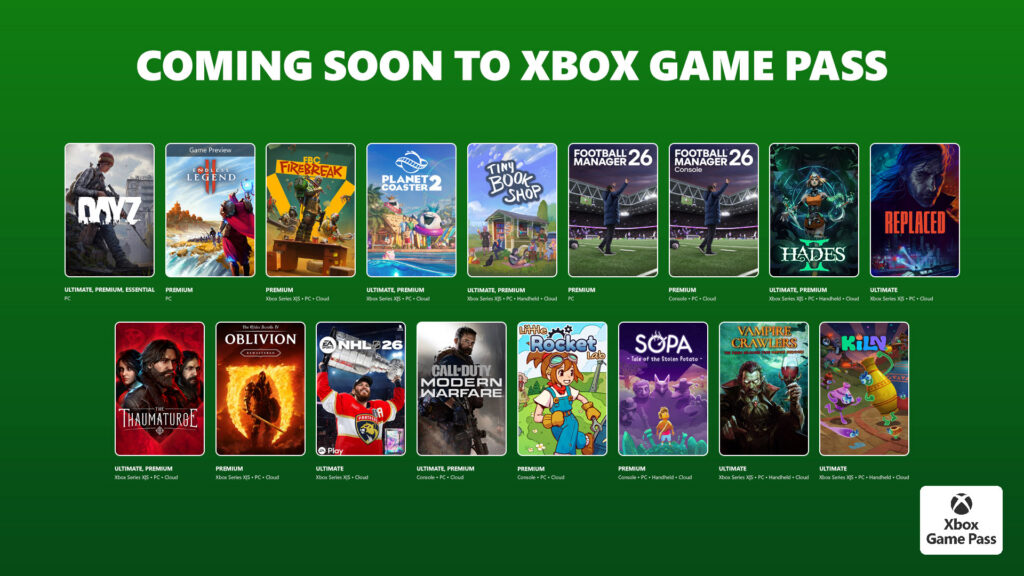 Sometimes the best gaming story of the day is not the loudest one. It is… Leia mais: Xbox’s New Game Pass Wave Is Today’s Cleanest Topic
 - The Oil Shock Is Hitting Flights and Travel Costs NowFor a while, the oil shock looked like a macro problem that travelers would feel… Leia mais: The Oil Shock Is Hitting Flights and Travel Costs Now
- The Resume Is Losing Ground to Show-Your-Work Hiring
 A lot of job seekers are starting to feel the same thing: the resume still… Leia mais: The Resume Is Losing Ground to Show-Your-Work Hiring
 - Private Credit Just Took a Fresh Ratings HitPrivate credit just took a fresh ratings hit, and this one matters because it lands… Leia mais: Private Credit Just Took a Fresh Ratings Hit
- Super Mario Galaxy Is Still the Biggest Geek Story
 A week after The Super Mario Galaxy Movie opened on April 1, 2026, Super Mario… Leia mais: Super Mario Galaxy Is Still the Biggest Geek Story
What ordinary investors should do with this
First, do not treat this like a call to panic-swap. BlackRock has filed IQQ, but Reuters said the fee is still unspecified. Until the product is live and investors can see how it trades, the story is mostly strategic.
Second, separate your goal from the brand. If your goal is simply long-term Nasdaq-100 exposure, compare expense ratio, tax location, spread behavior, and how often you trade. If your goal is short-term trading flexibility, QQQ’s liquidity may still justify its place. Invesco’s own materials practically say this out loud by stressing total cost of ownership, not just fee level.
Third, remember that the filing itself is useful because it teaches good habits. Retail investors often spend too much time debating sectors and not enough time debating wrappers. This story flips that around. The sector exposure is basically known. The real question is which vehicle serves you best.
The bottom line
BlackRock vs. QQQ is a smart retail-investing story because it exposes one of the most important truths in modern investing: buying an ETF is not just buying an idea. It is buying a structure, a fee schedule, a liquidity profile, and sometimes a brand premium too. Reuters’ reporting shows BlackRock is now taking direct aim at one of the most entrenched ETF brands in the market, while Nasdaq says broader access should improve availability and efficiency around the benchmark.
For retail investors, the real takeaway is even simpler. QQQ may still be the right answer for some people. It is large, liquid, and proven. But BlackRock’s challenge is a reminder that “the famous ticker” is not always the same thing as “the best wrapper for my plan.” That is a smart lesson, and it is exactly why this headline matters beyond Wall Street.
HypeBucks
XP of the Day: A 0.03% annual fee gap looks tiny, but on a $100,000 holding it is still real money every single year you stay invested.
Next Move: Spend 10 minutes reviewing one ETF you own for four things only: index tracked, expense ratio, average trading volume, and why you picked that wrapper in the first place.