

Disney picked a new CEO on March 18, 2026, but this is not just a corporate headline. For Marvel, it lands in the middle of an awkward, fragile stretch where the studio needs consistency more than symbolism. Josh D’Amaro is now Disney’s CEO, Dana Walden has been elevated to president and chief creative officer, and Disney is reorganizing entertainment around a more unified structure. On paper, that sounds clean. In practice, it means Marvel has to keep rebuilding while the parent company resets who is steering the broader ship.
That is why the timing feels bad. Not catastrophic, but bad. Marvel is not in full collapse, and it is not back to automatic dominance either. It is in the in-between zone, which is usually the hardest place for a franchise to be. A stable comeback needs patient leadership, clean priorities, and a long runway. Instead, Marvel now enters its next major phase during a top-level Disney transition led by an executive whose biggest success came from parks and experiences, not from managing film slates or narrative franchises. Reuters was blunt about the context: D’Amaro inherits “box office fatigue” around major Disney brands like Marvel and Star Wars.
Disney did not just change CEOs. It changed the power map.
The most important part of this story is not merely that Bob Iger is out and Josh D’Amaro is in. It is that Disney paired D’Amaro with Walden and then quickly reshaped the entertainment side around her. Disney’s official announcement made Walden president and chief creative officer effective the same day D’Amaro took over. Two days earlier, Reuters reported that Disney had also reorganized the entertainment arm to bring together streaming, film, television, games, and digital entertainment more tightly, with those areas reporting into Walden’s side of the house.
That matters for Marvel because Marvel does not live in one lane anymore. It is not just a movie brand. It is theatrical, streaming, games, licensing, park presence, and eventually whatever “One Disney” becomes in practice under D’Amaro’s vision. He said storytelling, creative excellence, technology, and a unified “One Disney” approach will guide the company. That sounds smart. However, big unifying language usually means new internal rhythms, new approval chains, and new expectations about how franchises connect across the business. That is exactly the kind of transition you would rather not force onto a brand that is still trying to prove it has its theatrical identity back.
There is another layer here too. D’Amaro was chosen in large part because he ran Disney’s most powerful business engine. Reuters said the parks operation accounted for 57% of Disney’s $17.5 billion in profit last year, and Disney’s own announcement framed him as the architect of the largest global expansion in Disney Experiences history. That is great if your main problem is operational scale. Marvel’s current problem is not scale. Marvel’s problem is creative rhythm and audience confidence.
Recommended by Nerd XP
This content may contain affiliate links. If you purchase through them, Nerd XP may receive a commission at no extra cost to you.
I’ve selected 6 items that can truly help you level up your XP, focusing on usefulness, cost-effectiveness, and real-world user experience.
LEGO Marvel Iron Man Mark 3

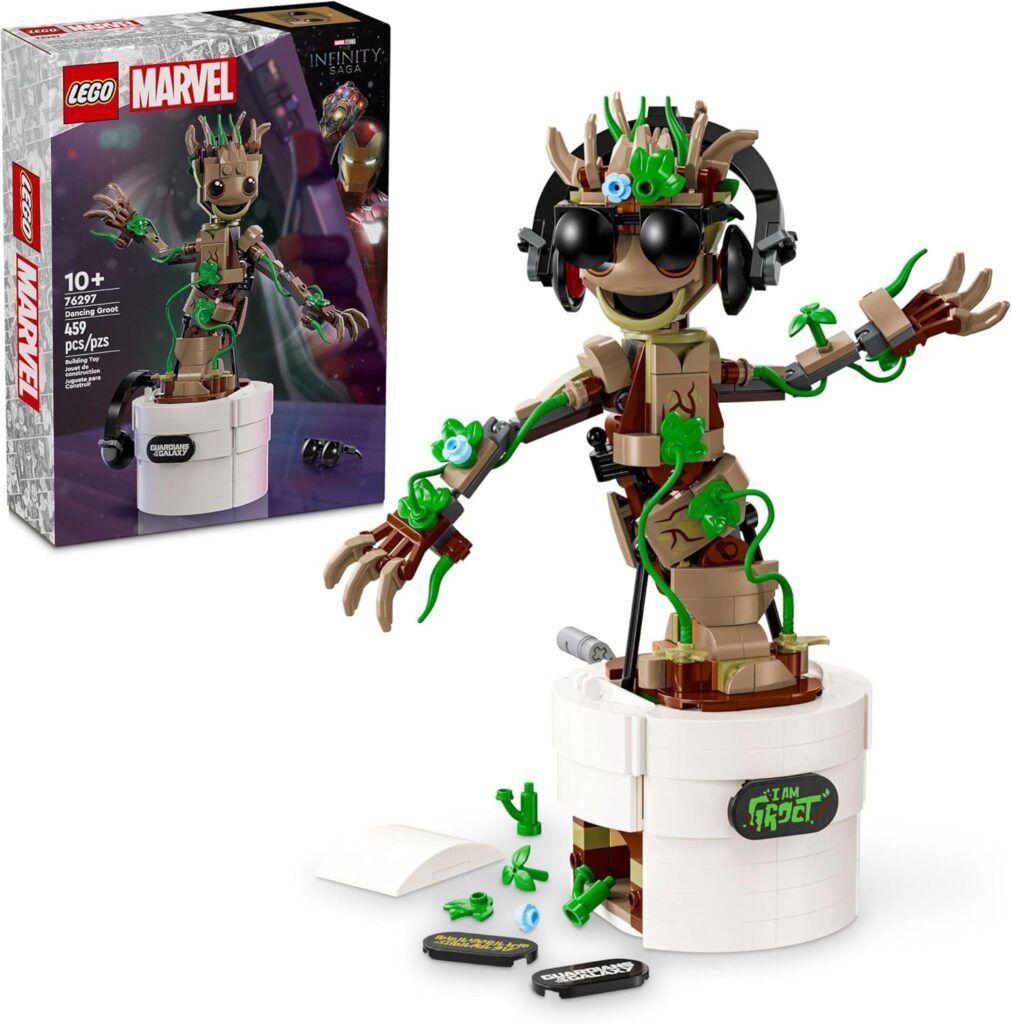
LEGO Marvel Dancing Groot
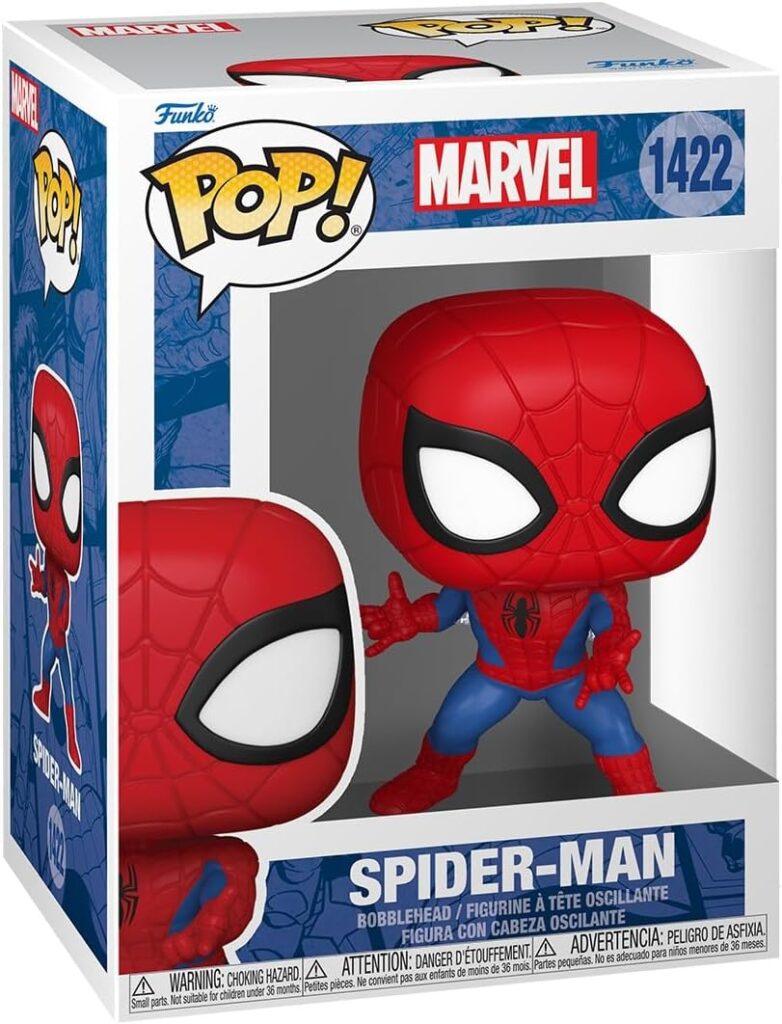
Funko Pop Marvel – Spider-Man
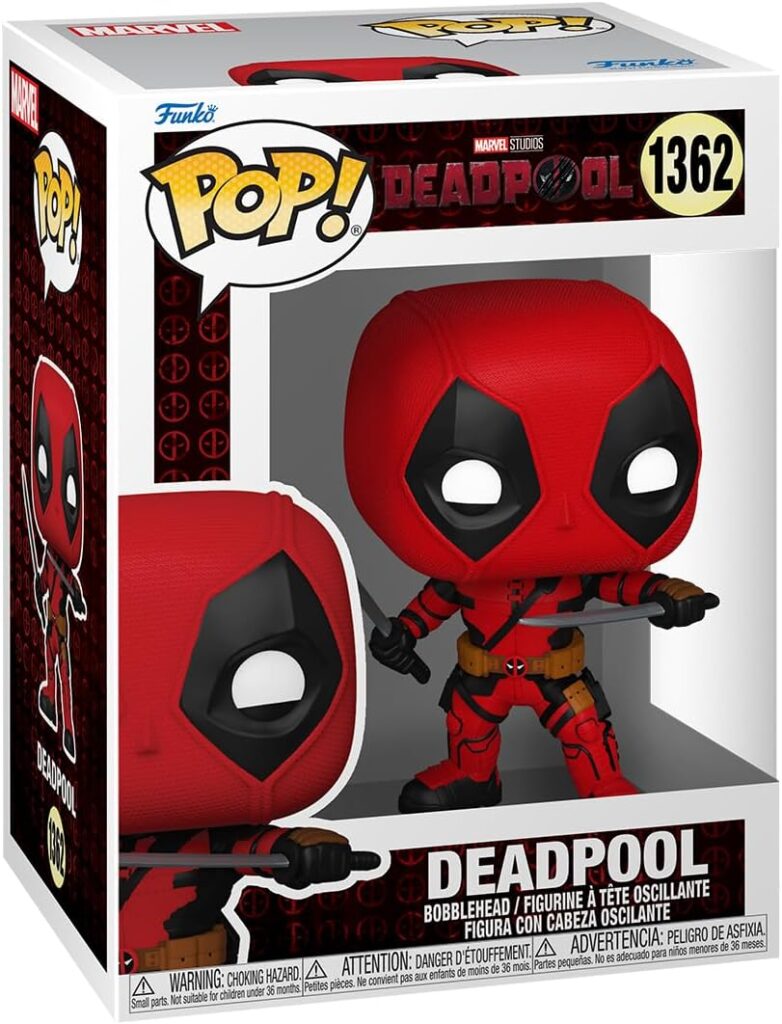
Funko POP! Marvel: Deadpool & Wolverine
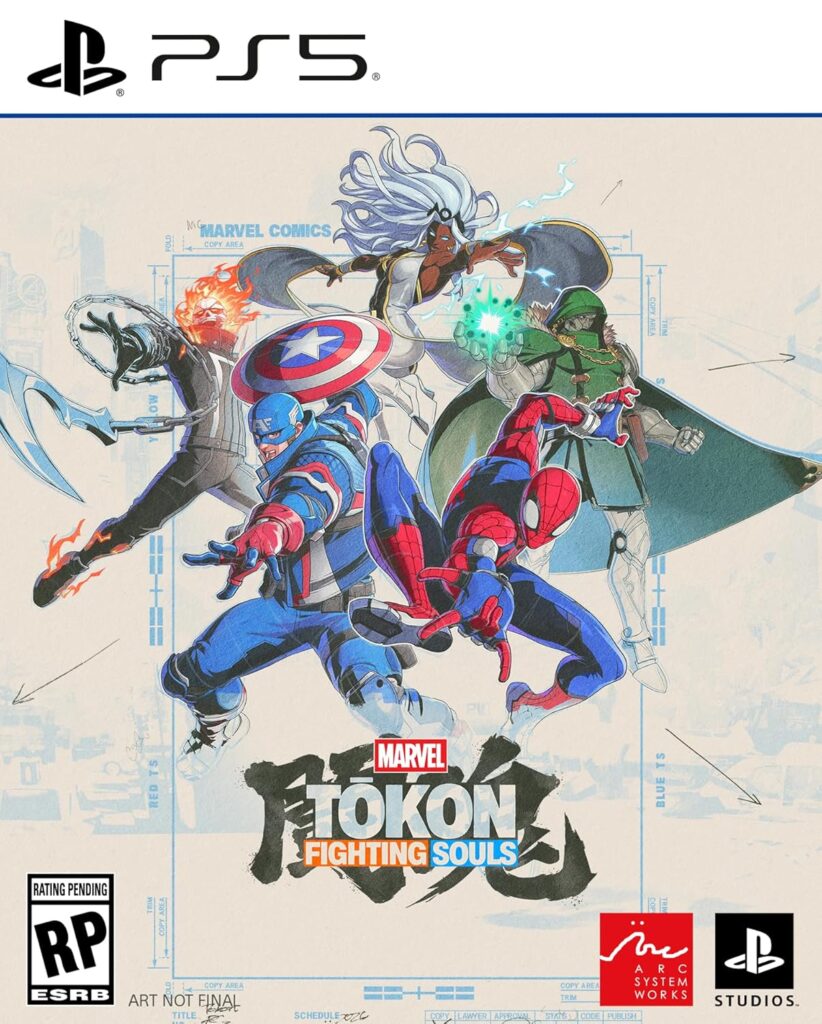
Marvel Tōkon: Fighting Souls – PlayStation 5
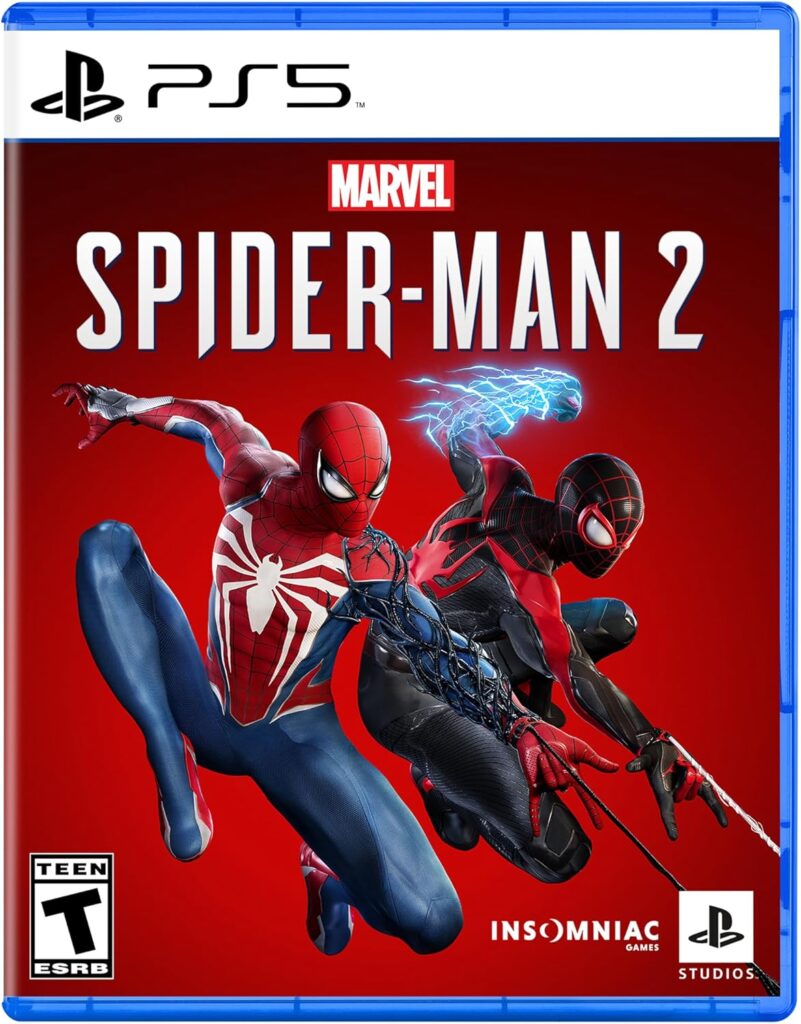
MARVEL’S SPIDER-MAN 2 – PS5 Standard Edition
Marvel is still in the messy middle of its comeback
This is where the timing gets rough. Marvel’s 2025 movie year was not a disaster, but it was not a clean victory lap either. Captain America: Brave New World opened to $88.8 million domestically, which Reuters used as the comparison point when Thunderbolts arrived. Then Thunderbolts opened to $162.1 million worldwide, including $76 million in the U.S. and Canada, which Reuters described as solid but also in line with the more muted expectations now attached to Marvel releases.
By the end of their runs, the numbers still looked mixed. Captain America: Brave New World finished at about $415.1 million worldwide, while Thunderbolts ended at about $382.4 million worldwide, according to Box Office Mojo. Those are not collapse-level totals for every studio on Earth. For Marvel, though, they reinforce the idea that the brand is no longer operating with automatic event status every time it releases a film.
Then came the brighter note. Disney said The Fantastic Four: First Steps opened with $218 million worldwide, including $118 million domestic, and Box Office Mojo shows it eventually reached about $521.9 million worldwide. That is clearly healthier. It suggests the audience will still show up when Marvel offers the right hook, the right tone, and a stronger sense of newness. Still, one better-performing title is not the same thing as a completed turnaround. It is a sign of life, not proof of full recovery.
That is the key point. Marvel currently looks neither broken nor fully repaired. It looks mid-repair. And mid-repair is the exact moment when your parent company changing leadership can feel most disruptive, even if the executives involved are good at their jobs.
The next real payoff is farther away now
If Marvel had an Avengers movie landing in a few weeks, the leadership handoff would feel less dangerous. A giant win can stabilize almost anything. Instead, Disney pushed Avengers: Doomsday from May 1, 2026 to December 18, 2026, and Avengers: Secret Wars from May 2, 2027 to December 17, 2027. Marvel’s own site now lists those December release dates.
That delay changes the emotional math around Marvel. The next obvious “everything comes together” moment is farther away, which means Marvel has to live longer in the uncertainty between setup and payoff. That is manageable under a settled corporate structure. It is harder during a CEO transition where the new boss is still defining priorities and the new content architecture is still bedding in.
Also, the broader theatrical market is not exactly gentle right now. Reuters noted that Hollywood is still trying to climb back to pre-pandemic ticket sales levels, and it also reported that China had already moved to curb Hollywood imports during the 2025 trade flare-up, with Chinese audiences already drifting away from American films. Marvel used to count on global scale as a kind of shock absorber. That cushion is thinner now.
So when people hear “CEO reset,” they may think the danger is creative meddling. That is possible, but the bigger risk is subtler: distraction, slower alignment, and a little more friction at the exact moment Marvel needs less of all three.
Read more posts from Nerd XP
Stay up-to-date on the latest news in the world of finance, geek culture, and skills.
- Central Banks Are Spelling Out a Multi-Asset Risk Map
 Most investors still talk about risk one shelf at a time. Stocks are risky. Bonds are defensive. Credit is someone else’s problem. Central banks are telling a different story now. Their latest warnings read less like isolated market commentary and… Leia mais: Central Banks Are Spelling Out a Multi-Asset Risk Map
 - Xbox and Gears Still Have Real Momentum
 For all the talk that Xbox has become too scattered, too platform-agnostic, or too far removed from the old console-war script, today tells a different story. Microsoft just announced that its June 7 Xbox Games Showcase will be followed immediately… Leia mais: Xbox and Gears Still Have Real Momentum
 - TikTok Wants to Be a Lender, Not Just a Platform
 For years, the TikTok story was simple: attention first, ads second, shopping maybe third. That model is changing fast. Reuters reported on March 31 that TikTok is seeking approval from Brazil’s central bank for two licenses that would let it… Leia mais: TikTok Wants to Be a Lender, Not Just a Platform
 - Portfolio Careers Beat the Side-Hustle Fantasy
 For years, people were sold a very specific dream. Start a side hustle. Work nights for a while. Then escape your job, replace your income, and finally control your life. That dream still sounds good. However, real life keeps exposing… Leia mais: Portfolio Careers Beat the Side-Hustle Fantasy
 - Why McCormick and Unilever Put Flavor on Wall Street
 A spice rack is not supposed to feel like a market-moving asset. Yet on March 31, 2026, McCormick and Unilever made flavor a real Wall Street conversation. Their deal to combine Unilever’s foods business with McCormick was valued at about… Leia mais: Why McCormick and Unilever Put Flavor on Wall Street
 - Private Credit Stress Is Getting Visible
 For a long time, private credit’s biggest danger was that you could not see it clearly. That was the trade. Investors got higher yields, smoother marks, and less daily market noise. In return, they accepted opaque portfolios, illiquid structures, and… Leia mais: Private Credit Stress Is Getting Visible
Why this is worse for Marvel than for most Disney brands
Marvel is not Pixar. It is not the parks division. It is not ESPN. Marvel runs on long-range trust. Audiences have to believe that the payoff is worth years of setup, side characters, tonal pivots, and delayed gratification. Once that trust weakens, every release starts feeling like a test instead of a chapter.
That is why this Disney handoff feels poorly timed for Marvel specifically. D’Amaro may prove to be an excellent CEO. Walden may prove to be exactly the right creative counterweight. Iger is also staying on Disney’s board through the end of 2026, which means this is not a total cliff-edge departure. Even so, the corporate reset is arriving while Marvel still needs to re-establish a very particular kind of confidence: not just “will this movie make money,” but “does this universe still feel worth following?”
That is a harder question to answer during organizational change. Because of that, the worst part of the timing is psychological. Marvel does not need panic. It needs steadiness. It needs fewer signals that the larger machine is being recalibrated around it.
Disney’s CEO reset is not automatically bad news for Marvel. It could even help over time if D’Amaro and Walden create a sharper, more disciplined version of Disney franchise management. But on March 18, 2026, this still looks like a transition landing at the wrong moment. Marvel is climbing, but it has not reached stable ground yet. And when a franchise is still trying to earn back its old certainty, the last thing it wants is a corporate handoff happening above its head.
NoobMaster
Easter Egg: Josh D’Amaro once helped lead Disney’s $1.5 billion investment in Epic Games, which says a lot about how strongly Disney now thinks in cross-platform fandom, not just movies.
Recommendation: Guardians of the Galaxy Vol. 3 — because it is a recent reminder that Marvel still works best when the emotional through-line is clearer than the franchise machinery.