
For years, the TikTok story was simple: attention first, ads second, shopping maybe third. That model is changing fast. Reuters reported on March 31 that TikTok is seeking approval from Brazil’s central bank for two licenses that would let it handle payments and offer credit. In plain English, TikTok is trying to move from being a place where people discover products to a place that can also finance the purchase. That is a much bigger business.
The shift matters because lending is where platforms stop acting like media companies and start acting more like financial infrastructure. An ad gets you a click. A marketplace gets you a sale. However, a payment account or a loan gets you deeper into the customer’s daily money flow. That usually means more revenue, better data, and stronger control over the full shopping journey. Reuters said one of TikTok’s requested licenses would allow prepaid accounts and payments inside the app, while the other would allow it to lend its own capital or connect borrowers and lenders, though not take public deposits.
Why Brazil is the key test market
Brazil is not a random choice. Reuters said TikTok had 131 million users age 18 and older in Brazil in late 2025, with ads reaching 80% of all adults there. That is massive reach. Reuters also reported that ByteDance executives met with Brazil central bank chief Gabriel Galipolo and that TikTok had already signaled broader regional ambition by saying it would invest more than 200 billion reais, about $38.4 billion, in a Brazilian data center.
Just as important, TikTok Shop already has a local shopping foothold. In TikTok’s own Brazil newsroom announcement, the company said TikTok Shop launched in Brazil on May 8, 2025 and was designed to let users discover and buy products without leaving the app. That turns Brazil into a logical proving ground: first build discovery commerce, then add payments, then layer on credit. That sequence is how platforms start looking less like social apps and more like mini financial ecosystems.
Brazil’s regulatory categories also fit that strategy neatly. The central bank says an electronic money issuer manages prepaid payment accounts, while a Sociedade de Crédito Direto, or direct credit company, can make loans through an electronic platform with its own capital. So this is not just a vague fintech dream. TikTok appears to be applying for specific regulatory tools that map directly onto embedded payments and embedded lending.
Why lending is more valuable than just selling ads
Ads are good business, but they are cyclical. E-commerce is useful, but margins can get squeezed. Credit is different. Once a platform can help merchants get paid, help users store money, and help either side borrow, it creates a tighter flywheel. That is why this story matters to Wall Street. TikTok is not just chasing more engagement. It is chasing a higher-value revenue stack.
Reuters’ earlier reporting from Indonesia helps show the logic. In 2023, Reuters said TikTok was in talks for a payments license there, and that such a license would let it collect transaction fees and compete more directly with regional e-commerce leaders like Shopee and Lazada. That was the payments step. The Brazil move goes further because it adds the possibility of direct credit. Fees are nice. Lending economics can be far more powerful when they work.
China offers another clue. Reuters reported in November 2025 that China’s internet platforms were cautiously reviving consumer lending as regulation became more accommodative. Analysts told Reuters that companies such as Ant, Meituan, and ByteDance were positioned for faster growth and fatter margins, while UBS estimated online-platform lending would rise 7.6% in 2025 and sector profits would jump 9.8%. That does not prove Brazil will play out the same way. Still, it shows why a company like ByteDance would see credit as more than a side feature. It can be a profit engine.
TikTok Shop is already building the base layer
This move also makes more sense when you look at what TikTok Shop has already become. In TikTok’s U.S. newsroom, the company said U.S. TikTok Shop sales were up 120% in 2025 versus the same period a year earlier. It also said sellers now span more than 750 categories and over 70 million products, while more than 171,000 local and small businesses are using TikTok Shop. Those are company figures, not independent audit numbers, but they show the scale TikTok believes it has built.
Once a platform reaches that stage, payments and lending start to look less optional. Sellers need working capital. Shoppers want frictionless checkout. Creators want smoother commissions and payouts. The more of that system TikTok can keep inside its own walls, the more valuable every view, click, and purchase becomes. In other words, the app stops being just a discovery engine and starts acting like a commerce operating system.
That is why the headline should not be read as “TikTok wants to be a bank.” It is more precise to say TikTok wants the parts of finance that make a commerce platform stronger. Payments reduce friction. Stored balances keep users inside the system. Merchant and consumer loans can increase conversion, order size, and loyalty. It is the same logic that made payments essential to big super-apps. Now TikTok appears to want the next layer too.
Read more posts from Nerd XP
Stay up-to-date on the latest news in the world of finance, geek culture, and skills.
- Central Banks Are Spelling Out a Multi-Asset Risk Map
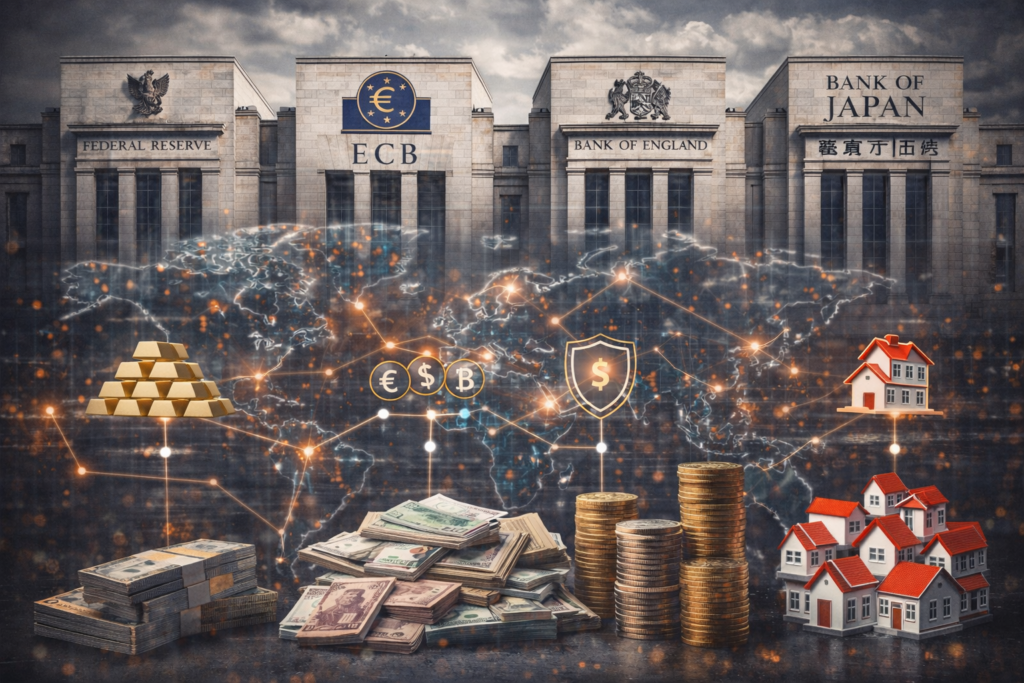 Most investors still talk about risk one shelf at a time. Stocks are risky. Bonds are defensive. Credit is someone else’s problem. Central banks are telling a different story now. Their latest warnings read less like isolated market commentary and… Leia mais: Central Banks Are Spelling Out a Multi-Asset Risk Map
 - Xbox and Gears Still Have Real Momentum
 For all the talk that Xbox has become too scattered, too platform-agnostic, or too far removed from the old console-war script, today tells a different story. Microsoft just announced that its June 7 Xbox Games Showcase will be followed immediately… Leia mais: Xbox and Gears Still Have Real Momentum
 - TikTok Wants to Be a Lender, Not Just a Platform
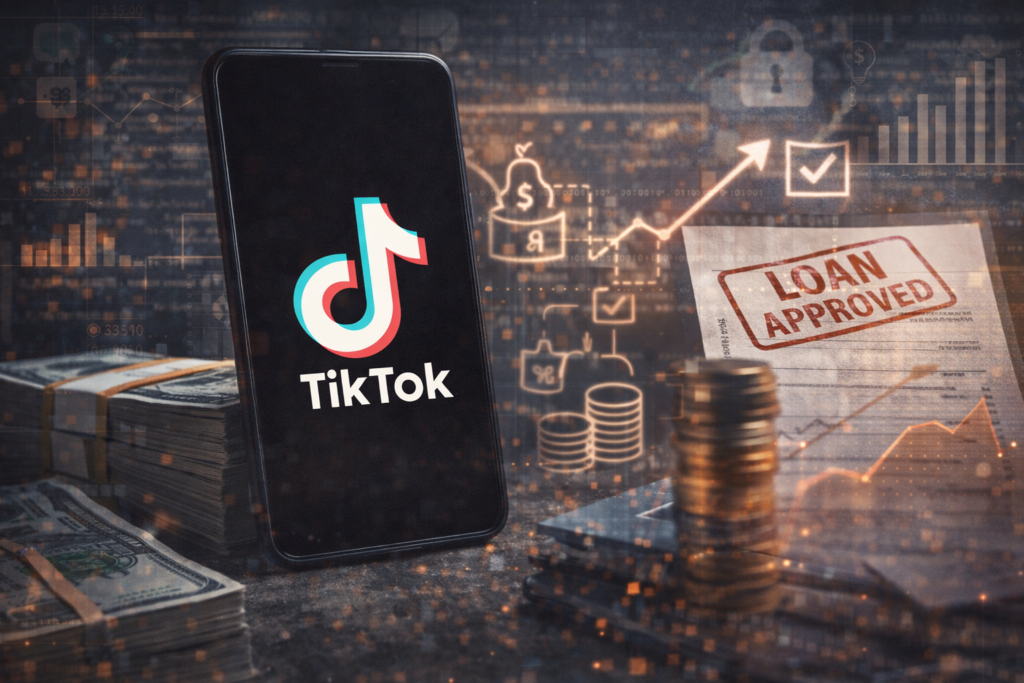 For years, the TikTok story was simple: attention first, ads second, shopping maybe third. That model is changing fast. Reuters reported on March 31 that TikTok is seeking approval from Brazil’s central bank for two licenses that would let it… Leia mais: TikTok Wants to Be a Lender, Not Just a Platform
 - Portfolio Careers Beat the Side-Hustle Fantasy
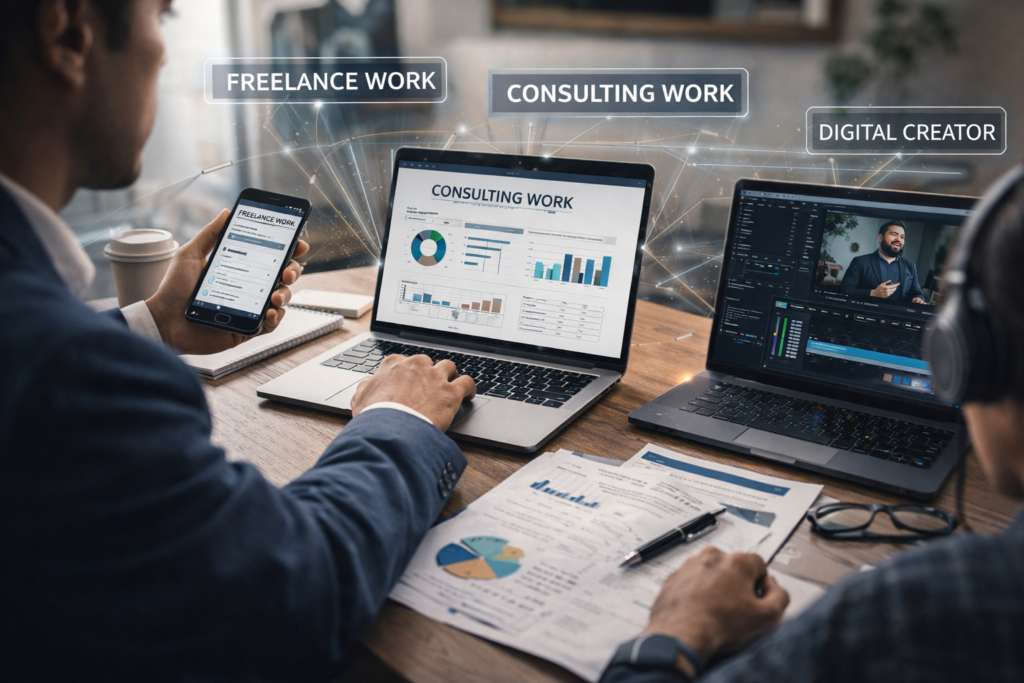 For years, people were sold a very specific dream. Start a side hustle. Work nights for a while. Then escape your job, replace your income, and finally control your life. That dream still sounds good. However, real life keeps exposing… Leia mais: Portfolio Careers Beat the Side-Hustle Fantasy
 - Why McCormick and Unilever Put Flavor on Wall Street
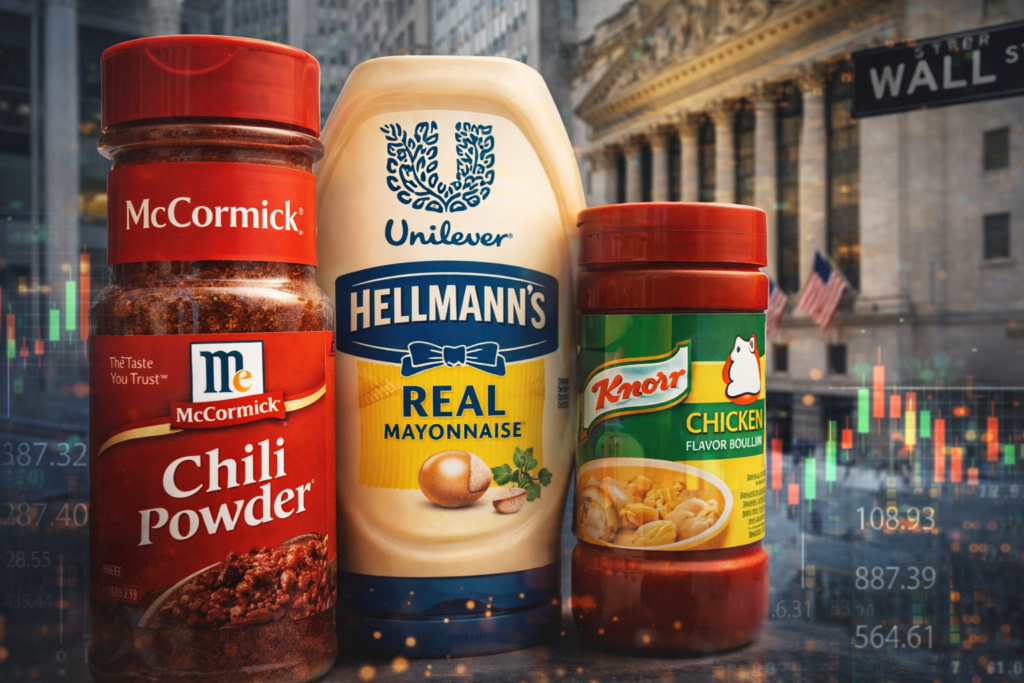 A spice rack is not supposed to feel like a market-moving asset. Yet on March 31, 2026, McCormick and Unilever made flavor a real Wall Street conversation. Their deal to combine Unilever’s foods business with McCormick was valued at about… Leia mais: Why McCormick and Unilever Put Flavor on Wall Street
 - Private Credit Stress Is Getting Visible
 For a long time, private credit’s biggest danger was that you could not see it clearly. That was the trade. Investors got higher yields, smoother marks, and less daily market noise. In return, they accepted opaque portfolios, illiquid structures, and… Leia mais: Private Credit Stress Is Getting Visible
The opportunity is real, but so are the risks
Here is the catch: lending is where platform strategy meets old-fashioned financial risk. A viral video can go wrong. A loan book can go bad. Reuters’ China lending report noted that consumer defaults were already creeping up, and that 74.3 billion yuan of non-performing loans were put up for sale in the first quarter, up 190% year over year. Easy digital credit can boost spending, but it can also blow back when incomes weaken.
Regulators know that, and TikTok has already learned the hard way that expansion is not always linear. Reuters reported that TikTok sought a payments license in Indonesia in 2023. Then Indonesia barred transactions directly on social media platforms, and TikTok had to pivot. In January 2024, Reuters reported that TikTok completed a deal to buy 75.01% of Tokopedia for $840 million after TikTok Shop had been shut down there under the new rules. That is a useful reminder for investors: platform finance can scale quickly, but regulation can rewrite the map overnight.
There is also a consumer angle here. When finance gets embedded inside entertainment, buying can feel dangerously effortless. That is convenient, of course. It is also exactly why users need to slow down. A payment feature feels harmless. A credit offer inside the same app can feel even easier than a credit card because it shows up in the middle of discovery and impulse. That does not make it evil. It does make it powerful.
What Wall Street and regular users should watch next
For investors, the real question is not whether TikTok can add a lending button. It is whether embedded finance materially improves monetization without creating outsized regulatory and credit risk. Watch for three things. First, does TikTok use credit mainly to support merchants and marketplace growth, or does it eventually push harder into consumer borrowing? Second, does Brazil become a template for other markets? Third, do regulators treat TikTok more like a commerce platform or more like a financial institution?
For regular users, the lesson is simpler. Whenever a platform starts offering wallets, balances, or loans, treat it like real finance, not like a convenience feature. Read the repayment terms. Check whether the lender is TikTok, a partner, or a marketplace intermediary. Look for fees, interest, automatic debits, and how disputes are handled. A social app can make spending feel fun. Debt is still debt.
The bottom line
TikTok’s Brazil move matters because it shows where big platforms still see growth. Ads are mature. Shopping is crowded. Payments are useful. Lending, however, is where a platform can capture more of the economics around every transaction. Reuters’ reporting makes clear that TikTok is now aiming at both payments and credit, not just content and commerce. That is a meaningful escalation in ambition.
So yes, TikTok still wants to entertain you. It still wants to sell you things too. More importantly, it now appears to want a claim on the money moving underneath those transactions. That is why this is not just a tech story. It is a finance story, and a very modern one. The next platform battle may not be over attention alone. It may be over who gets to fund the checkout.
HypeBucks
XP of the Day: A 0% or low-friction checkout offer can still cost you 100% of the purchase if it triggers spending you would have skipped.
Next Move: Open your phone’s recent shopping apps and turn off any saved payment method you do not truly need.