
Netflix did not put Stranger Things back in theaters because it suddenly wants to be a traditional movie studio. It did it because Stranger Things has become one of the few streaming franchises strong enough to feel bigger than the app. When that happens, the couch is no longer the whole game. The real opportunity is turning fandom into an event again. That is exactly what this latest move looks like.
This Is a Theater Play, but Not a Movie Strategy
The immediate trigger is simple. Netflix announced limited theatrical screenings for the first two episodes of Stranger Things: Tales From ’85, the new animated spinoff, on April 18. Those previews will play in 34 AMC theaters across the U.S., plus the Paris Theater in New York and Netflix House Philadelphia, before the series hits Netflix on April 23. Fans are also being promised an exclusive collectible while supplies last.
That detail matters. Netflix is not rolling out a full season in cinemas. It is not testing whether Stranger Things can become a weekly theatrical release. Instead, it is using theaters as a spotlight. Two episodes, one day, limited locations, fan collectible, then straight back to streaming. In practice, that is closer to a premium launch party than a movie release.
And honestly, that makes more sense than a broader theatrical gamble. A full run would force people to compare an animated side story to a major studio feature. A preview event does the opposite. It frames the show as special, social, and scarce. That is a much better fit for fandom behavior in 2026, especially when attention is fragmented and every platform is fighting to make its own releases feel like something you need to show up for.
Read more posts from Nerd XP
Stay up-to-date on the latest news in the world of finance, geek culture, and skills.
- Central Banks Are Spelling Out a Multi-Asset Risk Map
 Most investors still talk about risk one shelf at a time. Stocks are risky. Bonds are defensive. Credit is someone else’s problem. Central banks are telling a different story now. Their latest warnings read less like isolated market commentary and… Leia mais: Central Banks Are Spelling Out a Multi-Asset Risk Map
 - Xbox and Gears Still Have Real Momentum
 For all the talk that Xbox has become too scattered, too platform-agnostic, or too far removed from the old console-war script, today tells a different story. Microsoft just announced that its June 7 Xbox Games Showcase will be followed immediately… Leia mais: Xbox and Gears Still Have Real Momentum
 - TikTok Wants to Be a Lender, Not Just a Platform
 For years, the TikTok story was simple: attention first, ads second, shopping maybe third. That model is changing fast. Reuters reported on March 31 that TikTok is seeking approval from Brazil’s central bank for two licenses that would let it… Leia mais: TikTok Wants to Be a Lender, Not Just a Platform
 - Portfolio Careers Beat the Side-Hustle Fantasy
 For years, people were sold a very specific dream. Start a side hustle. Work nights for a while. Then escape your job, replace your income, and finally control your life. That dream still sounds good. However, real life keeps exposing… Leia mais: Portfolio Careers Beat the Side-Hustle Fantasy
 - Why McCormick and Unilever Put Flavor on Wall Street
 A spice rack is not supposed to feel like a market-moving asset. Yet on March 31, 2026, McCormick and Unilever made flavor a real Wall Street conversation. Their deal to combine Unilever’s foods business with McCormick was valued at about… Leia mais: Why McCormick and Unilever Put Flavor on Wall Street
 - Private Credit Stress Is Getting Visible
 For a long time, private credit’s biggest danger was that you could not see it clearly. That was the trade. Investors got higher yields, smoother marks, and less daily market noise. In return, they accepted opaque portfolios, illiquid structures, and… Leia mais: Private Credit Stress Is Getting Visible
Netflix Already Learned That Hawkins Works as Event Cinema
This also did not come out of nowhere. Netflix already tested the big-screen appetite for Stranger Things with the franchise’s finale. Last fall, the company announced fan screenings for the final episode in more than 500 theaters, timed to its Netflix debut on Dec. 31 at 5 p.m. PT, with showings continuing through Jan. 1, 2026. The Duffer Brothers openly said they had dreamed of fans getting to experience the ending together on the big screen.
That experiment clearly mattered. Reports in early January said the finale generated roughly $20 million to $28 million for theaters over New Year’s, even though this was not a normal box-office setup. That is a striking result for what was essentially a fan event tied to a streaming release, not a conventional film launch. In other words, Netflix got proof that Stranger Things fans would leave home for a communal screening if the moment felt important enough.
More importantly, the finale screenings taught Netflix something bigger than revenue. They showed that fandom still wants ritual. Streaming made watching easier, but it also made everything flatter. A giant franchise episode can arrive on your TV with the same friction level as a random sitcom rewatch. The theater fixes that. It adds occasion, and occasion creates buzz. That is gold for a platform whose biggest challenge is no longer distribution, but cultural gravity.
Stranger Things Is Not Just a Show Anymore
The broader franchise picture matters here too. Reuters noted that Stranger Things has already expanded beyond the original series into a live-action spinoff project, a Tony-winning Broadway play, video games, immersive experiences, and merchandise. Netflix is not treating Hawkins like a completed TV hit. It is treating it like a long-tail universe with multiple entry points.
That is why the theater move feels less random than it might have a few years ago. Theaters, stage shows, immersive events, and Netflix House are all parts of the same strategy: take an audience that first fell in love on streaming and give it places to gather in the real world. The company is not just selling access to episodes anymore. It is selling participation.
There is also a branding angle here that is easy to miss. Netflix spent years training audiences to think of it as the place where content appears. Franchises like Stranger Things give it a chance to become something more active: a curator of experiences, a builder of fan rituals, and a company that can turn release dates into social occasions. Disney has done that for years. Netflix has fewer brands that truly qualify. Stranger Things is one of them.
Recommended by Nerd XP
This content may contain affiliate links. If you purchase through them, Nerd XP may receive a commission at no extra cost to you.
I’ve selected 6 items that can truly help you level up your XP, focusing on usefulness, cost-effectiveness, and real-world user experience.
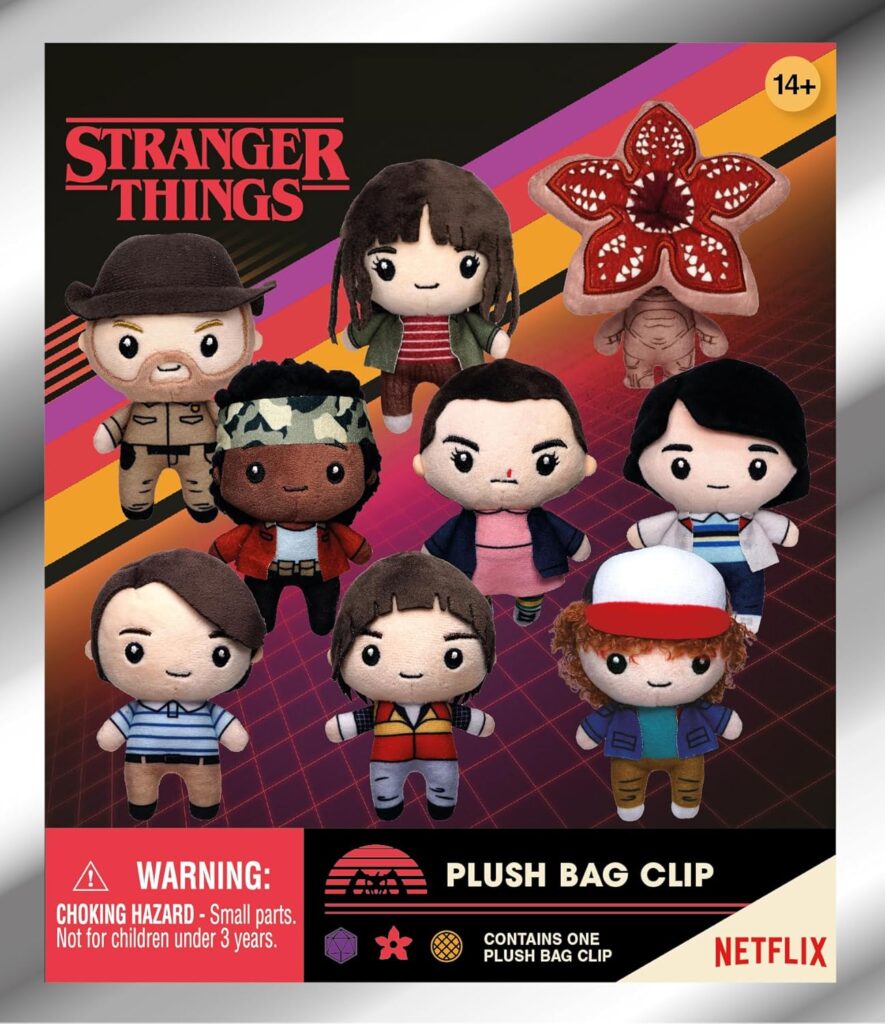
Stranger Things Plush Bag Clip
Energizer Stranger Things Squawk Retro

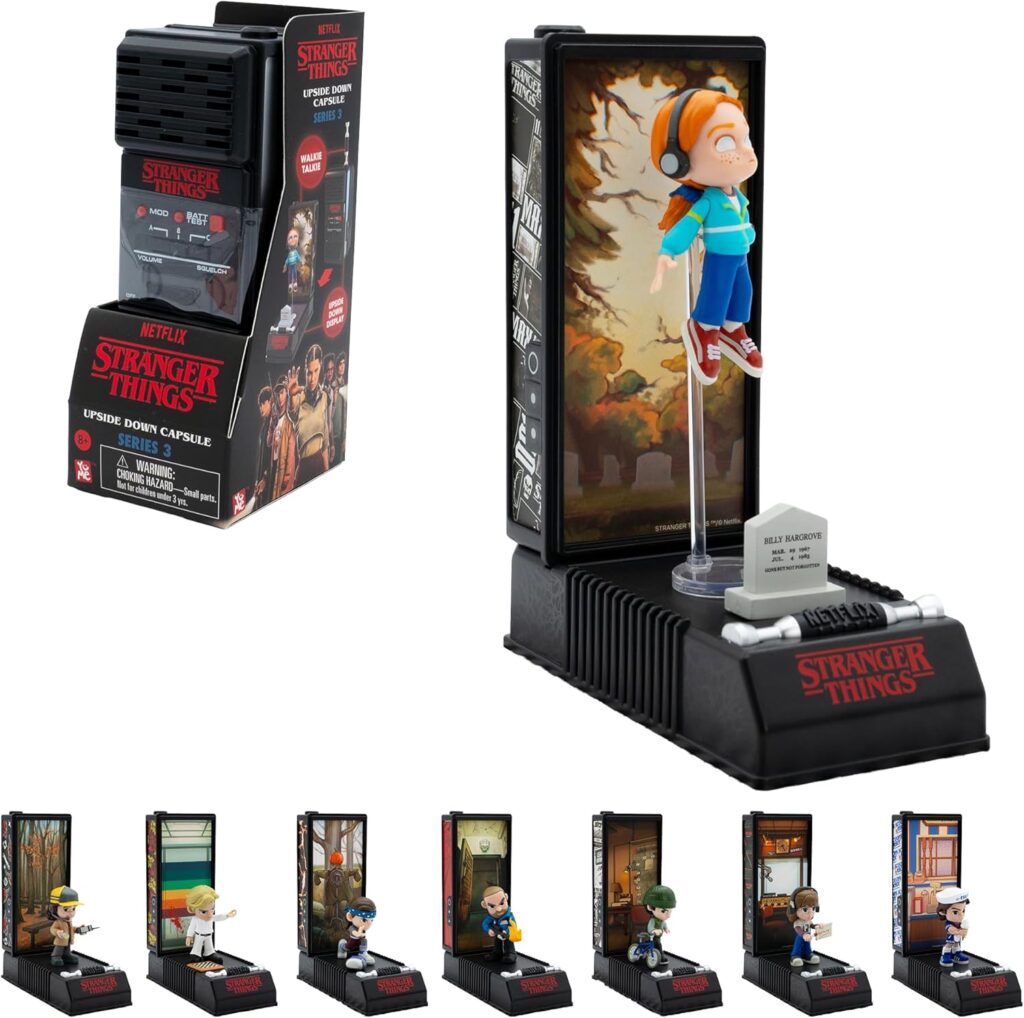
YuMe Stranger Things Walkie Talkie Collectible
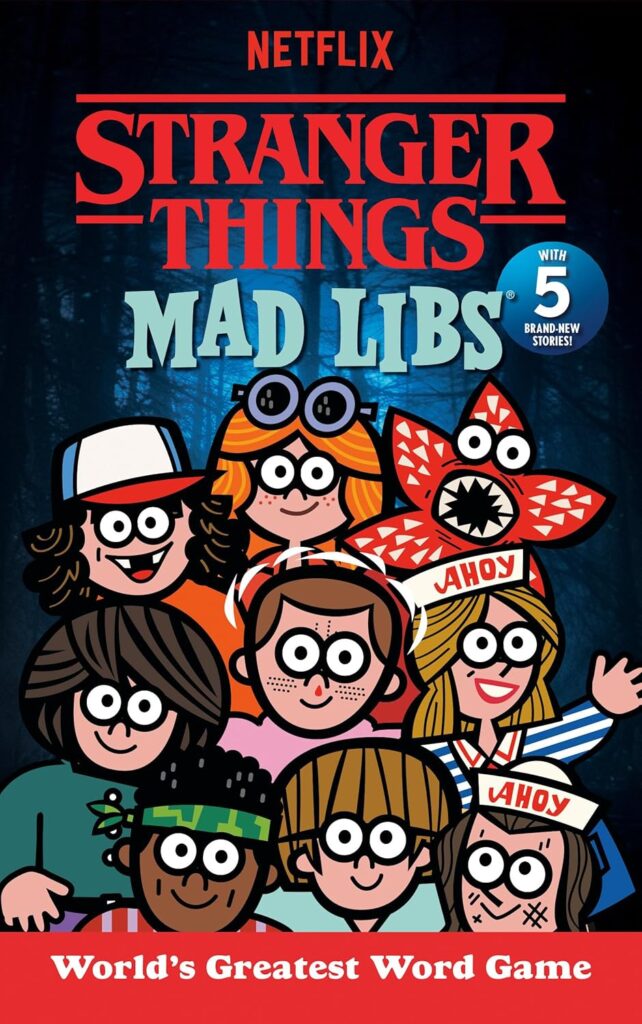
Stranger Things Mad Libs: Updated Edition
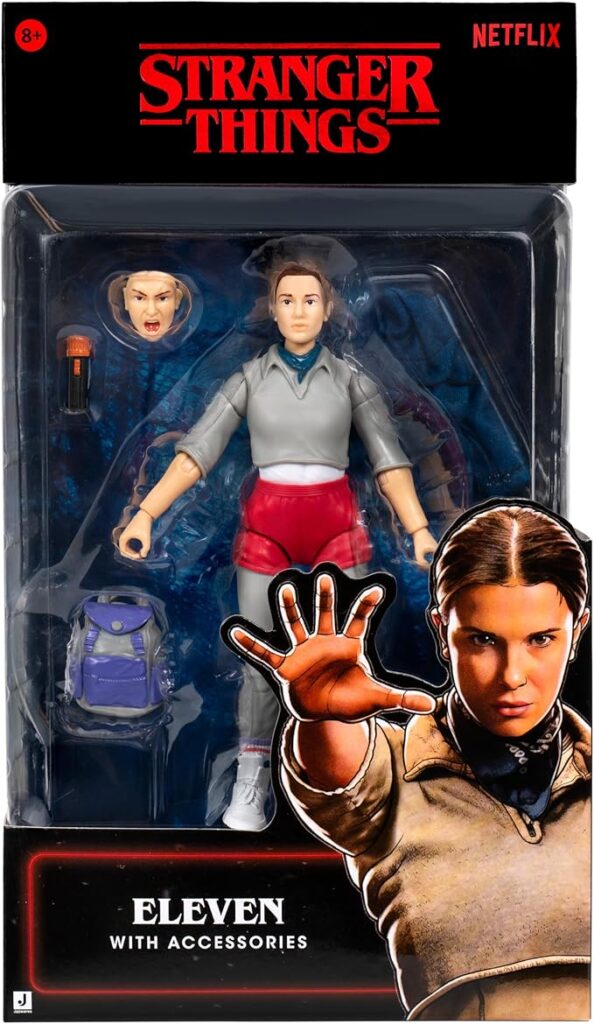
Stranger Things Eleven Upside Down Collector
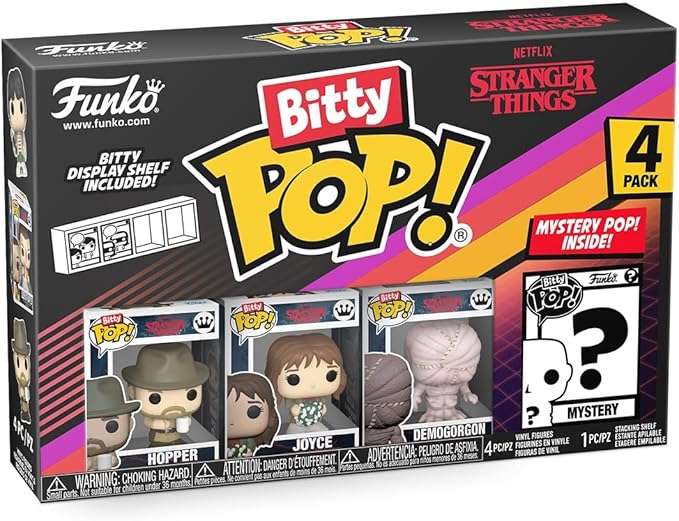
Funko Pop Bitty: Stranger Things
Why the Animated Spinoff Makes This Smarter
Animation is the perfect place to run this play. According to Netflix and Entertainment Weekly, Tales From ’85 is set in the winter of 1985, between Seasons 2 and 3, and follows Eleven, Mike, Will, Dustin, Lucas, and Max as a new threat rises in Hawkins. Showrunner Eric Robles described it as a season-long mystery with real danger and “cool monsters,” not a disposable cartoon detour.
That timeline is a very smart choice. It drops viewers back into one of the franchise’s most beloved eras, with the core friend group still intact and the story scale still intimate. Netflix is not asking fans to learn a whole new mythology first. It is inviting them back to a version of Stranger Things people already emotionally trust.
The theater preview helps with that trust too. Animation can sometimes read as “extra content” in big franchises. Putting it in theaters sends the opposite signal. It says this is not filler. This matters. Even if it is only two episodes, the format tells fans to treat it like a real chapter in the property, not just a bonus tab buried on a homepage.
So the theatrical move is doing two jobs at once. First, it markets the show. Second, it upgrades the show’s perceived value before most people have even hit play. That is clever. In a crowded streaming environment, perceived importance is half the battle.
Read more posts from Nerd XP
Stay up-to-date on the latest news in the world of finance, geek culture, and skills.
- Central Banks Are Spelling Out a Multi-Asset Risk MapMost investors still talk about risk one shelf at a time. Stocks are risky. Bonds are defensive. Credit is someone else’s problem. Central banks are telling a different story now. Their latest warnings read less like isolated market commentary and… Leia mais: Central Banks Are Spelling Out a Multi-Asset Risk Map
- Xbox and Gears Still Have Real MomentumFor all the talk that Xbox has become too scattered, too platform-agnostic, or too far removed from the old console-war script, today tells a different story. Microsoft just announced that its June 7 Xbox Games Showcase will be followed immediately… Leia mais: Xbox and Gears Still Have Real Momentum
- TikTok Wants to Be a Lender, Not Just a PlatformFor years, the TikTok story was simple: attention first, ads second, shopping maybe third. That model is changing fast. Reuters reported on March 31 that TikTok is seeking approval from Brazil’s central bank for two licenses that would let it… Leia mais: TikTok Wants to Be a Lender, Not Just a Platform
- Portfolio Careers Beat the Side-Hustle FantasyFor years, people were sold a very specific dream. Start a side hustle. Work nights for a while. Then escape your job, replace your income, and finally control your life. That dream still sounds good. However, real life keeps exposing… Leia mais: Portfolio Careers Beat the Side-Hustle Fantasy
- Why McCormick and Unilever Put Flavor on Wall StreetA spice rack is not supposed to feel like a market-moving asset. Yet on March 31, 2026, McCormick and Unilever made flavor a real Wall Street conversation. Their deal to combine Unilever’s foods business with McCormick was valued at about… Leia mais: Why McCormick and Unilever Put Flavor on Wall Street
- Private Credit Stress Is Getting VisibleFor a long time, private credit’s biggest danger was that you could not see it clearly. That was the trade. Investors got higher yields, smoother marks, and less daily market noise. In return, they accepted opaque portfolios, illiquid structures, and… Leia mais: Private Credit Stress Is Getting Visible
What This Says About Netflix Now
There is a bigger industry lesson here. Streaming may be dominant, but dominance creates a weird problem: convenience kills ceremony. Reuters reported that streaming captured nearly half of U.S. TV viewing in December, while Stranger Things generated more than 15 billion viewing minutes that month. Netflix also said Season 5, Volume 1 delivered 59.6 million views in five days, its biggest premiere week ever for an English-language show.
When a show is already that massive at home, theaters are no longer about fixing reach. They are about amplifying meaning. They create urgency, social proof, and the feeling that a release is worth planning around. That is why this Stranger Things move feels important beyond Hawkins. It suggests Netflix now sees theaters less as a rival window and more as a selective hype machine for the right franchises.
My read is simple: Netflix put Stranger Things back in theaters because the brand has outgrown passive streaming. Fans do not just want access anymore. They want moments. Stranger Things can still deliver those, especially when nostalgia, community, and a little scarcity get mixed together. If this works again, do not be surprised when Netflix borrows the same playbook for other high-value fandom properties. Not for everything. Just for the titles strong enough to feel like an event before the lights even go down.
NoobMaster
Easter Egg: The theatrical preview is only the first two episodes of Tales From ’85, not the full season.
Recommendation: The Vast of Night — because it nails small-town supernatural tension without using nostalgia as a shortcut.